

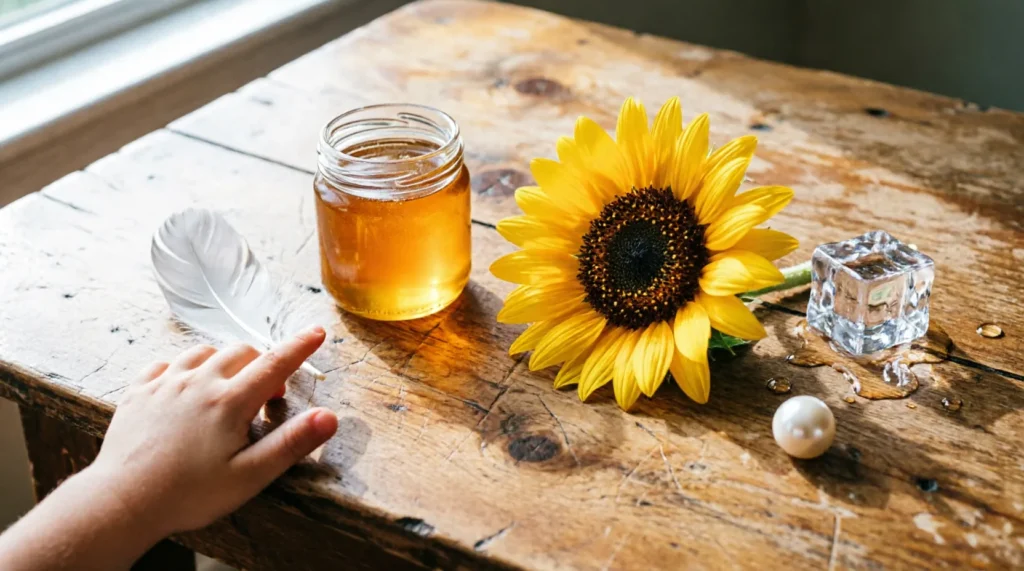
Similes give third graders a playful way to make their writing sparkle by comparing one thing to another using “like” or “as.” The list below organizes similes by theme so students can quickly find the perfect comparison for their stories, poems, and classroom assignments. Each example comes with a ready-to-use sentence that shows exactly how the simile works in context.
What is a Simile?
A simile is a figure of speech that directly compares two different things using the words “like” or “as” to highlight a shared quality. According to the Wikipedia article on Simile, this literary device has been used for thousands of years to make descriptions more vivid and memorable. The key difference between a simile and a metaphor is that a simile explicitly states the comparison with “like” or “as,” while a metaphor says one thing is another thing without those connecting words.
Animal Similes That Third Graders Love
Kids in third grade are fascinated by animals, making these comparisons instantly relatable and fun to use in their writing. These similes work especially well in narrative stories and descriptive paragraphs.
“as busy as a bee” — “My mom was as busy as a bee getting ready for the school play.” (energetic, positive)
“as sly as a fox” — “The detective was as sly as a fox when he solved the mystery.” (clever, cunning) This one has great alliteration with the “s” sounds, which makes it stick in kids’ minds.
“as strong as an ox” — “The farmer was as strong as an ox after years of hard work.” (powerful, dependable)
“as quick as a rabbit” — “She ran as quick as a rabbit when the bell rang for recess.” (fast, eager)
“as wise as an owl” — “My grandfather is as wise as an owl and always gives great advice.” (knowledgeable, respected)
“as gentle as a lamb” — “The new teacher was as gentle as a lamb with the nervous students.” (kind, soothing)
“as stubborn as a mule” — “My little brother was as stubborn as a mule about eating his vegetables.” (frustrated, exasperated) This is one I tell my students to use sparingly—it’s effective but can sound clichéd if overused.
“as proud as a peacock” — “He strutted around as proud as a peacock after winning the spelling bee.” (confident, showy)
“as curious as a cat” — “The new student was as curious as a cat, asking questions about everything.” (inquisitive, engaged)
“as slow as a snail” — “The line at lunch moved as slow as a snail on Monday.” (impatient, bored)
Nature and Weather Similes for Vivid Descriptions
Third graders experience weather and nature every day, so these similes help them describe their world with more detail and personality.
“as bright as the sun” — “Her smile was as bright as the sun on the first day of summer.” (joyful, warm)
“as cold as ice” — “His hands were as cold as ice after building the snowman.” (uncomfortable, shivering)
“as dark as night” — “The basement was as dark as night during the power outage.” (scary, mysterious)
“as clear as crystal” — “The water in the mountain stream was as clear as crystal.” (pure, beautiful)
“as hot as fire” — “The playground was as hot as fire during the July heat wave.” (intense, uncomfortable)
“as fresh as a daisy” — “After her nap, she felt as fresh as a daisy and ready to play.” (refreshed, energetic)
“as steady as a rock” — “Her best friend was as steady as a rock when she needed help.” (reliable, supportive) This simile works because rocks are universally understood as unmoving and permanent—it’s concrete enough for eight-year-olds to grasp immediately.
“as light as a feather” — “The new puppy was as light as a feather when I picked him up.” (delicate, gentle)
“as rough as bark” — “The old tree trunk was as rough as bark against my palm.” (textured, natural)
“as calm as a still pond” — “The library was as calm as a still pond during testing week.” (peaceful, quiet)
Food and Taste Similes Kids Can Relate To
Food similes are particularly effective for third graders because they connect abstract qualities to concrete, familiar experiences. According to educational standards for Grade 3 writing, students should use sensory details, and these comparisons do exactly that.
“as sweet as honey” — “The little girl was as sweet as honey when she helped her friend.” (kind, endearing)
“as sour as a lemon” — “His face was as sour as a lemon when he lost the game.” (disappointed, grumpy)
“as hot as pepper” — “Her temper was as hot as pepper when someone took her pencil.” (angry, fiery)
“as cool as a cucumber” — “She stayed as cool as a cucumber during the tough math test.” (composed, confident)
“as easy as pie” — “The puzzle was as easy as pie for the smart student.” (simple, effortless)
“as tough as nails” — “The coach was as tough as nails but fair to everyone.” (strict, demanding)
“as fresh as a baked cookie” — “The new book smelled as fresh as a baked cookie from the library.” (appealing, new)
“as salty as pretzels” — “His jokes were as salty as pretzels and made everyone laugh.” (witty, sharp)
Action and Movement Similes for Dynamic Writing
When third graders write action scenes or describe how characters move, these similes add energy and specificity to their storytelling.
“as fast as lightning” — “The soccer player ran as fast as lightning to score the winning goal.” (speedy, exciting)
“as slow as molasses” — “The old computer worked as slow as molasses in winter.” (frustrating, sluggish)
“as smooth as silk” — “Her handwriting was as smooth as silk across the page.” (elegant, practiced)
“as hard as a rock” — “The math problem was as hard as a rock to solve.” (difficult, challenging)
“as soft as a cloud” — “The new blanket was as soft as a cloud and perfect for reading.” (comfortable, cozy)
“as loud as thunder” — “The cafeteria was as loud as thunder during pizza Friday.” (boisterous, chaotic)
“as quiet as a mouse” — “The classroom was as quiet as a mouse during the principal’s visit.” (nervous, careful)
“as sharp as a tack” — “The new student was as sharp as a tack and caught on quickly.” (intelligent, perceptive) This one has wonderful consonance with the repeated “t” and “k” sounds that make it punchy and memorable.
Feelings and Emotions Similes for Personal Writing
Third graders are developing emotional awareness, and these similes help them articulate complex feelings in their personal narratives and journal writing.
“as happy as a clam” — “He was as happy as a clam when he got the new bike.” (delighted, satisfied)
“as sad as a rainy day” — “She felt as sad as a rainy day when her friend moved away.” (melancholy, lonely)
“as nervous as a long-tailed cat in a room full of rocking chairs” — “I was as nervous as a long-tailed cat in a room full of rocking chairs before my presentation.” (anxious, jittery) This extended simile is fun because it’s so specific and visual—kids love the absurdity of it.
“as excited as a kid on Christmas morning” — “The class was as excited as a kid on Christmas morning about the field trip.” (thrilled, anticipatory)
“as brave as a lion” — “She was as brave as a lion when she stood up to the bully.” (courageous, bold)
“as tired as an old dog” — “After soccer practice, I was as tired as an old dog.” (exhausted, worn out)
“as confused as a lost puppy” — “He looked as confused as a lost puppy during the complicated instructions.” (bewildered, uncertain)
“as proud as a parent” — “The teacher was as proud as a parent when her students aced the test.” (accomplished, beaming)
How to Write Your Own Simile
Creating original similes is easier than most third graders think. Here’s my three-step process that I use in my classroom workshops:
Step 1: Identify the quality you want to describe (fast, slow, bright, scary, etc.).
Step 2: Think of something familiar that shares that quality (a cheetah for fast, a glacier for slow, a flashlight for bright).
Step 3: Connect them with “like” or “as” and test if it makes sense.
Worked Example: Let’s say you want to describe how messy your bedroom is. The quality is “messy.” What’s something famously messy? A pig’s pen, a tornado’s path, or a exploded toy box. You could write: “My room was as messy as a tornado tore through it” or “My closet looked like a toy explosion happened inside.” The first one has more dramatic impact because tornadoes are universally understood as destructive forces.
Frequently Asked Questions
What’s the difference between a simile and a metaphor for third graders?
A simile uses “like” or “as” to make a comparison (“she runs like the wind”), while a metaphor states that one thing is another thing (“she is the wind”). Similes are generally easier for third graders to understand and use correctly because the comparison words make the relationship explicit.
How many similes should a third grader use in one piece of writing?
Quality beats quantity every time. One or two well-chosen similes in a short story or paragraph is far better than stuffing every sentence with comparisons. I tell my students that similes are like sprinkles on ice cream—a little makes it better, but too much ruins it.
Are there any similes third graders should avoid?
Yes, some similes are so overused they’ve lost their impact: “as pretty as a picture,” “as old as the hills,” and “as white as snow.” These aren’t wrong, but they’re tired. Encourage kids to find fresher comparisons that reflect their own experiences and observations.
Can similes be funny for kids?
Absolutely! Some of the best similes create unexpected or exaggerated comparisons that make readers smile. “As hungry as a hippo” or “as clumsy as a penguin on roller skates” add humor while still making a clear point about the quality being described.

Justin Brown is a seasoned literary analyst with over 15 years of experience in the field of linguistics and literary studies. Holding a master’s degree in English Literature from the University of Chicago, Justin has devoted much of his career to exploring the nuances of similes and other forms of figurative language. His passion for deciphering the layers of meaning in literary works was kindled during his undergraduate years, where he was intrigued by the power of metaphorical language. Justin frequently contributes to VividSimiles by crafting engaging articles that decode the application of similes in both classical and contemporary literature. His insightful analyses help readers grasp the beauty and complexity of figurative expressions, making literature more accessible to all. In addition to writing, Justin conducts workshops for aspiring writers, nurturing their abilities to use language vividly and effectively.