

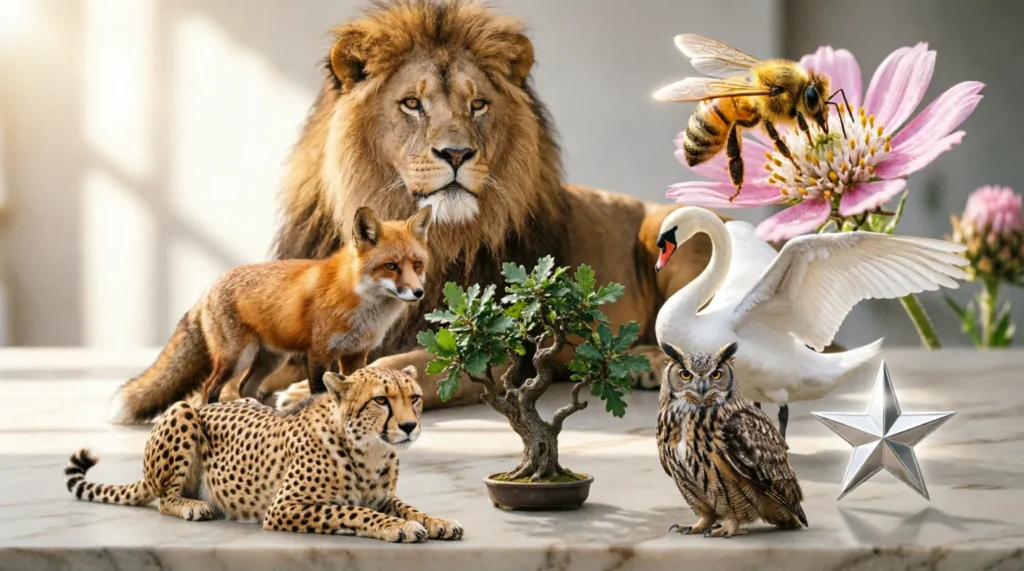
Similes give sixth-grade writers a powerful shortcut to vivid description, turning flat statements into memorable images that stick with readers. The list below organizes similes by theme so students can quickly find the perfect comparison for their stories, poems, and essays. Each example comes with a real sentence showing exactly how to use it, plus a note about the tone it creates.
Similes for Describing People and Personality
Sixth graders often need to describe characters in their narratives or classmates in personal essays. These similes help capture personality traits with specificity rather than vague adjectives.
“as busy as a bee” — “My mom was as busy as a bee, rushing from the kitchen to the laundry room before I even finished my homework.” (energetic, admiring)
“as stubborn as a mule” — “He refused to apologize, as stubborn as a mule even when everyone knew he was wrong.” (frustrated, critical) This one works because “mule” has that hard ‘m’ sound that mirrors the resistance you’re describing.
“as wise as an owl” — “My grandfather, as wise as an owl, always knew exactly what to say when I was confused.” (respectful, warm)
“as quiet as a mouse” — “During the test, the classroom was as quiet as a mouse, with only the sound of pencils scratching.” (peaceful, focused)
“as brave as a lion” — “She stood up to the bully as brave as a lion, even though her hands were shaking.” (admiring, heroic) This is the version my students always reach for first, and honestly, it’s earned its popularity—the alliteration of ‘brave’ and the cultural weight of ‘lion’ make it instantly recognizable.
“as sly as a fox” — “The detective was as sly as a fox, catching the thief in a trap nobody saw coming.” (clever, slightly suspicious)
“as gentle as a lamb” — “Despite his size, he handled the puppy as gentle as a lamb.” (tender, caring)
“as cool as a cucumber” — “While everyone else panicked about the pop quiz, Maria stayed as cool as a cucumber.” (calm, impressive) I tell my students this one borders on cliché, but it survives because it’s genuinely useful for showing composure under pressure.
Similes for Emotions and Feelings
According to Wikipedia’s entry on simile, these comparisons using “like” or “as” help writers express abstract emotions in concrete terms that readers can visualize and feel.
“as happy as a clam” — “When she found out she made the team, she was as happy as a clam at high tide.” (delighted, carefree)
“as sad as a rainy day” — “After his dog ran away, he walked around as sad as a rainy day for a week.” (melancholy, heavy)
“as mad as a hornet” — “My dad was as mad as a hornet when he saw the dent in his car.” (furious, volatile) The ‘h’ sound in hornet gives it a hissing quality that matches the emotion.
“as nervous as a long-tailed cat in a room full of rocking chairs” — “Before my speech, I was as nervous as a long-tailed cat in a room full of rocking chairs.” (extremely anxious, vivid) This extended simile is worth the extra words because the specific image creates genuine tension.
“as excited as a kid on Christmas morning” — “She bounced up and down, as excited as a kid on Christmas morning, when she saw the puppy.” (thrilled, energetic)
“as embarrassed as a tomato” — “When I tripped in the cafeteria, I turned as red as a tomato, as embarrassed as could be.” (humiliated, self-conscious)
“as proud as a peacock” — “He strutted around showing off his trophy, as proud as a peacock.” (boastful, confident) This one walks the line between positive and negative—it can show healthy pride or annoying arrogance depending on context.
“as lonely as a cloud” — “Sitting by herself at lunch, she felt as lonely as a cloud drifting across an empty sky.” (isolated, melancholic)
Similes for Nature and Weather
These comparisons help sixth graders describe settings and create atmosphere in their writing, whether they’re crafting a storm scene or a peaceful meadow.
“as cold as ice” — “The wind cut through my jacket, as cold as ice against my skin.” (bitter, harsh)
“as hot as an oven” — “The playground was as hot as an oven, and we couldn’t wait to get back inside.” (uncomfortable, oppressive)
“as clear as crystal” — “The mountain stream was as clear as crystal, and we could see every stone on the bottom.” (pure, pristine)
“as dark as night” — “When the power went out, the basement became as dark as night.” (pitch-black, foreboding)
“as bright as the sun” — “Her smile was as bright as the sun, lighting up the whole room.” (radiant, joyful)
“as rough as sandpaper” — “His hands, worn from years of work, felt as rough as sandpaper.” (weathered, textured) The tactile quality makes this simile particularly effective for sensory writing. For more, see Grade.
“as smooth as silk” — “The lake at dawn was as smooth as silk, not a single ripple disturbing the surface.” (calm, elegant)
“as fresh as a daisy” — “After a good night’s sleep, I woke up feeling as fresh as a daisy.” (revitalized, cheerful)
Similes for Speed and Movement
Action scenes and sports writing come alive when sixth graders use these dynamic comparisons to show how fast—or slow—something moves.
“as fast as lightning” — “The runner took off as fast as lightning, leaving everyone else in the dust.” (blazing, impressive)
“as slow as a snail” — “The line at the cafeteria moved as slow as a snail, and I thought I’d never get my lunch.” (frustrating, tedious)
“as quick as a wink” — “The magician made the coin disappear as quick as a wink.” (instantaneous, surprising)
“as swift as the wind” — “The horse galloped across the field as swift as the wind.” (graceful, powerful)
“as fast as a cheetah” — “In gym class, Jamal ran as fast as a cheetah during the sprint drills.” (athletic, competitive)
“as sluggish as molasses” — “On Monday morning, my brain felt as sluggish as molasses, and I could barely think straight.” (lethargic, slow)
“as nimble as a cat” — “The gymnast flipped across the mat as nimble as a cat.” (agile, precise) This simile works because cats embody both speed and control, making it perfect for describing coordinated movement.
Similes for Size and Strength
Whether describing a towering building or a tiny insect, these similes help students convey scale and power in their descriptive writing.
“as big as an elephant” — “The new library is as big as an elephant compared to our old one-room schoolhouse.” (massive, imposing)
“as small as a pea” — “The baby’s fingers were as small as a pea pod, so tiny and perfect.” (delicate, miniature)
“as strong as an ox” — “My uncle, as strong as an ox, lifted the couch by himself.” (powerful, capable)
“as tall as a giraffe” — “Even in fifth grade, Marcus was as tall as a giraffe, towering over everyone else.” (impressive, unusual)
“as light as a feather” — “The new phone case is as light as a feather, and I barely notice it in my pocket.” (weightless, convenient)
“as heavy as a rock” — “My backpack felt as heavy as a rock after I forgot to take out my gym clothes.” (burdensome, exhausting)
“as tiny as an ant” — “From the airplane window, the cars looked as tiny as ants crawling along the highway.” (miniature, distant)
“as huge as a mountain” — “The pile of homework on my desk looked as huge as a mountain, and I didn’t know where to start.” (overwhelming, daunting) This one resonates with sixth graders because it captures both physical size and emotional weight.
How to Write Your Own Grade 6 Simile
Creating original similes is easier than you think when you follow this simple process. First, identify the quality you want to emphasize—is it speed, size, emotion, or texture? Second, brainstorm objects, animals, or natural phenomena that share that quality. Third, connect them with “like” or “as” and test whether the image feels fresh or tired.
For example, if you want to describe someone who’s really good at keeping secrets, you might think: what doesn’t let anything out? A vault, a locked box, a clam with its shell shut tight. “She kept the secret like a vault” works, but “She kept the secret like a clam at low tide” gives you a more specific, visual image that shows rather than tells.
Frequently Asked Questions
What’s the difference between a simile and a metaphor for grade 6 writers? A simile uses “like” or “as” to compare two things (“her smile was like sunshine”), while a metaphor states that one thing IS another (“her smile was sunshine”). Similes are often easier for sixth graders because the comparison word signals that you’re making a figurative connection rather than a literal statement.
How many similes should I use in one paragraph? One or two well-chosen similes per paragraph is plenty for grade 6 writing. Too many comparisons can overwhelm your reader and make your writing feel cluttered. Think of similes like spices—a little enhances the flavor, but too much ruins the dish.
Are there any similes I should avoid in my school essays? Yes, steer clear of overused comparisons like “as busy as a bee” or “as cold as ice” unless you can give them a fresh twist. Your teachers want to see your original thinking, not just recycled phrases from a list. That said, common similes are fine for first drafts or when you’re learning the form—just push yourself to create something new in your final version.
Can I make up my own similes, or do they have to be ones everyone knows? Absolutely make up your own! The best similes are often original comparisons that surprise your reader. Instead of “as fast as lightning,” try “as fast as a text message notification” or “as fast as my heart when the teacher calls on me.” Personal, specific similes show creativity and make your writing memorable.

Jennifer Martinez is a creative writer and educator with a deep love for similes and figurative language. With a degree in Creative Writing from New York University and over a decade of teaching experience in high schools, Jennifer has a unique ability to explain complex concepts in simple terms. Her journey into the world of figurative language began with her own writing, where she noticed how similes and metaphors could transform the mundane into the extraordinary. At VividSimiles, Jennifer shares her expertise by writing thought-provoking essays and guides on how similes enhance storytelling. Her content often focuses on helping writers of all levels hone their style by incorporating figurative language effectively. In her spare time, Jennifer enjoys reading poetry and experimenting with new forms of expression in her own work.