

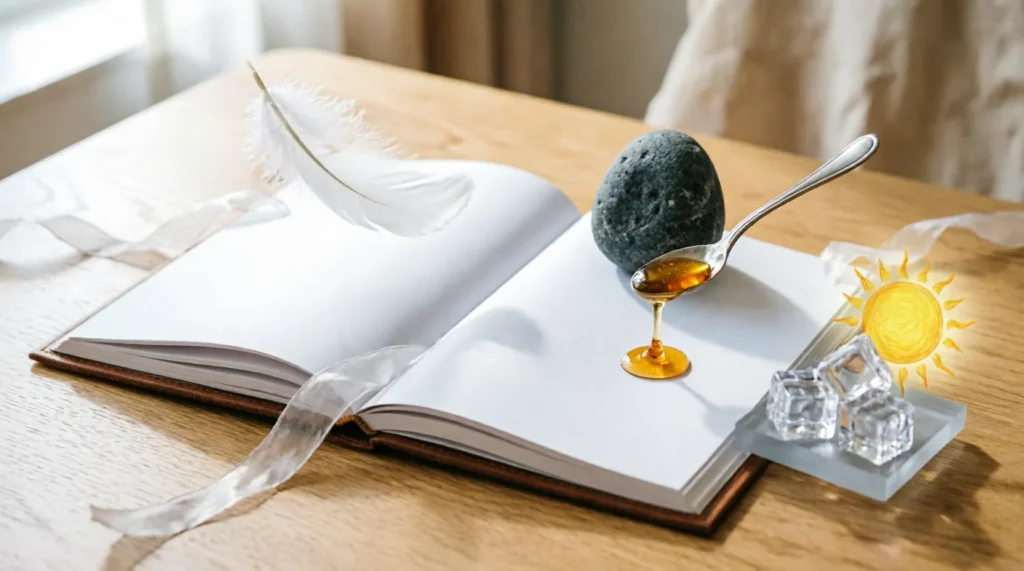
Similes are the seasoning of language. They take a plain statement and add flavor, texture, and immediate visual impact by comparing one thing to another using “like” or “as.” When you search for a list of similes with meaning, you are likely looking for more than just a dictionary definition; you want to know how these comparisons function in real sentences and why they resonate with readers. This guide provides a curated collection of vivid similes, categorized by theme, complete with example sentences and tonal notes to help you deploy them effectively in your own writing.
What Is a Simile?
A simile is a figure of speech that directly compares two different things, typically using the words “like” or “as.” According to Wikipedia, this rhetorical device highlights a shared characteristic between the two subjects, allowing the reader to understand the quality being described through a familiar image. For instance, saying someone is “as busy as a bee” instantly conveys a sense of frantic, productive activity without needing a lengthy explanation.
It is crucial to distinguish similes from metaphors, as writers often confuse the two. While a simile says one thing is like another (maintaining the distinction between the two objects), a metaphor states that one thing is another. For example, “Her smile was like sunshine” is a simile, whereas “Her smile was sunshine” is a metaphor. Similes are generally considered more explicit and easier for readers to process because they signal the comparison clearly, making them an excellent tool for clarity in descriptive writing.
Similes for Speed and Motion
When describing action, static adjectives often fall flat. We need verbs and comparisons that move. The following similes capture various types of velocity, from sudden bursts to sustained momentum. These are particularly useful in thriller narratives, sports journalism, or any scene where pacing is critical.
- “fast as lightning” — “The striker moved fast as lightning, leaving the defender in the dust.” (Sudden, explosive speed).
- Craft Note: This is a classic for a reason. The alliteration of the ‘l’ sound in lightning adds a sharp, quick auditory punch that mirrors the speed itself. However, be cautious: it is heavily overused. Only use this if the speed is truly instantaneous.
- “quick as a wink” — “He changed the subject quick as a wink.” (Very fast, almost imperceptible).
- Craft Note: I prefer this for social interactions rather than physical movement. It suggests cunning or sleight of hand rather than athletic prowess.
- “like a bat out of hell” — “When the alarm rang, she ran like a bat out of hell.” (Chaotic, urgent, panicked speed).
- Craft Note: This idiom carries a specific energy of fear or desperate urgency. It’s not graceful; it’s messy and fast. Use it when character motivation is panic.
- “smooth as silk” — “The car glided around the corner smooth as silk.” (Effortless, frictionless motion).
- Craft Note: This focuses on the quality of movement rather than just speed. It implies control and luxury. The sibilant ‘s’ sounds create a soothing rhythm that matches the meaning.
- “like a shot” — “He was out the door like a shot.” (Immediate, projectile-like departure).
- Craft Note: This is one of my favorites for dialogue tags or quick exits. It’s concise and visceral. It avoids the cliché of “lightning” while still conveying instant acceleration.
- “swift as the wind” — “The messenger moved swift as the wind across the plains.” (Natural, enduring speed).
- Craft Note: This feels more poetic and less urban than “like a shot.” It works well in historical fiction or nature writing where the element of air is prominent.
Similes for Strength and Resilience
Describing physical or emotional strength requires weight. Weak similes make characters feel flimsy; strong similes anchor them in the reader’s mind. These comparisons draw from nature, industry, and mythology to convey durability.
- “strong as an ox” — “The mover lifted the piano strong as an ox.” (Raw, brute physical power).
- Craft Note: This is a workhorse simile. It’s not subtle, but it is universally understood. Use it for laborers, athletes, or anyone displaying unrefined power. Avoid it for intellectual strength.
- “tough as nails” — “After ten years in the industry, she was tough as nails.” (Emotional resilience, hardness).
- Craft Note: I often tell my students to avoid this unless they mean it literally. It has become a placeholder for “strong.” If you use it, ensure the context shows why the character had to become hard.
- “solid as a rock” — “His alibi was solid as a rock.” (Unshakable, reliable, immovable).
- Craft Note: This works for both physical objects and abstract concepts like arguments or trust. The monosyllabic words create a heavy, thudding rhythm that reinforces the idea of stability.
- “like iron” — “Her will was like iron.” (Unbending, rigid strength).
- Craft Note: Unlike “rock,” which implies natural stability, “iron” implies something forged and tested. It suggests strength that has been manufactured through pressure. Use this for characters who have undergone trauma or training.
- “sturdy as an oak” — “The old house stood sturdy as an oak against the storm.” (Enduring, aged strength).
- Craft Note: This adds a temporal dimension. Oaks take time to grow. Use this simile when you want to imply that strength comes from age, roots, and history rather than sudden force.
- “hard as diamond” — “His resolve was hard as diamond.” (Unbreakable, precious, sharp).
- Craft Note: Diamond is the hardest natural material, but it is also brittle. This simile can imply strength that is impressive but potentially fragile under the right kind of pressure. It’s a nuanced choice for complex antagonists.
Similes for Beauty and Appearance
Visual descriptions are the most common place for similes, yet they are also the most prone to cliché. “Beautiful as a rose” is dead on arrival. To make appearance descriptions sing, we need comparisons that evoke specific textures, lights, and feelings rather than generic praise.
- “bright as a button” — “Her eyes were bright as a button.” (Alert, shiny, cheerful).
- Craft Note: This is charming but slightly childish. It works well for children’s literature or characters with innocent, wide-eyed wonder. It does not work for seductive or mysterious beauty.
- “clear as crystal” — “The water was clear as crystal.” (Transparent, pure, flawless).
- Craft Note: This is standard for liquids or glass. To make it fresh, apply it to something unexpected, like a voice or a conscience. “Her apology was clear as crystal” suggests total honesty without hidden motives.
- “soft as velvet” — “The night air was soft as velvet.” (Luxurious, gentle, tactile).
- Craft Note: Velvet has a specific weight and warmth. This simile engages the sense of touch. It’s excellent for romantic scenes or descriptions of comfort. Avoid using it for things that are merely “nice”; reserve it for sensory richness.
- “radiant as the sun” — “She walked in, radiant as the sun.” (Warm, glowing, central attention).
- Craft Note: This implies that the person changes the atmosphere of the room. It’s not just about looks; it’s about presence. Be careful not to make it sound blinding or harsh. Context should clarify if the radiance is welcoming or overwhelming.
- “fresh as a daisy” — “He woke up fresh as a daisy.” (Restored, clean, energetic).
- Craft Note: This is often used ironically. If a character has been up all night and claims to be “fresh as a daisy,” the simile highlights their denial or delusion. In non-ironic use, it suggests morning dew and new beginnings.
- “sharp as a tack” — “His suit was sharp as a tack.” (Well-groomed, precise, stylish).
- Craft Note: Originally referring to intelligence, this has migrated to fashion. It implies crisp lines and attention to detail. It’s a great simile for professional settings or characters who value precision.
Similes for Emotions and States of Mind
Internal states are invisible, so similes do the heavy lifting of making them tangible. The best emotional similes connect a feeling to a physical sensation or a recognizable scenario. According to Wikipedia, the meaning of such figurative language relies on the shared cultural understanding of the compared object, allowing the reader to infer the emotional weight.
- “happy as a clam” — “He sat by the fire, happy as a clam.” (Content, secure, quiet joy).
- Craft Note: This is an odd one because clams aren’t visibly happy. The phrase comes from “happy as a clam at high tide,” meaning safe and fed. It suggests a deep, unbothered satisfaction rather than exuberant joy.
- “sad as a funeral” — “The room was sad as a funeral.” (Somber, heavy, mournful).
- Craft Note: This sets a collective mood. It’s not just one person’s sadness; it’s the atmosphere. Use this for scenes involving loss or shared grief. It’s heavy, so use it sparingly.
- “nervous as a cat” — “She paced the floor, nervous as a cat.” (Jittery, alert, unpredictable).
- Craft Note: Cats are known for their twitchy tails and sudden movements. This simile captures physical restlessness. It’s better than “nervous as a wreck,” which is vague. Show the pacing, the fidgeting, the inability to sit still.
- “cold as ice” — “His reception was cold as ice.” (Unfriendly, distant, unemotional).
- Craft Note: This is a staple for describing rejection or aloofness. To elevate it, focus on the physical sensation of coldness—the shiver, the numbness. “Her voice was cold as ice” suggests a lack of warmth that physically affects the listener.
- “blind as a bat” — “In the dark cave, he was blind as a bat.” (Unable to see, disoriented).
- Craft Note: Ironically, bats use echolocation and aren’t actually blind. But the idiom persists. Use it for literal darkness or metaphorical ignorance. If you want to be scientifically accurate, avoid it, but for colloquial writing, it remains effective.
- “quiet as a mouse” — “He slipped into the room, quiet as a mouse.” (Stealthy, unobtrusive, small).
- Craft Note: Mice are small and scurry silently. This simile implies a desire not to be noticed. It’s perfect for spies, children sneaking cookies, or anyone trying to avoid confrontation.
How to Write Your Own Simile
Creating original similes is a skill that separates amateur writers from professionals. You don’t need to memorize a list; you need to understand the mechanism. Here is a simple three-step process to generate your own comparisons.
- Identify the Core Quality: What is the single most important attribute you want to convey? Is it speed, sadness, brightness, or hardness? Strip away the adjectives until you have one noun or verb. For example, if you want to describe a laugh, is it loud, shrill, or warm? Let’s say it’s shrill.
- Brainstorm Objects with That Quality: List ten things that are inherently shrill. A tea kettle? A siren? A rusty hinge? A seagull? A violin string snapping? Don’t judge them yet; just get them on paper.
- Select for Context and Surprise: Choose the object that fits the tone of your scene. If you’re writing a horror story, “shrill as a siren” might be too heroic. “Shrill as a rusty hinge” adds decay and unease. If you’re writing a comedy, “shrill as a teakettle” might be funny.
Worked Example:
- Goal: Describe a character’s anger.
- Core Quality: Hot, explosive, dangerous.
- Brainstorm: Volcano, boiling pot, wildfire, dragon, steam engine.
- Selection: “His anger bubbled like a neglected pot on the stove.”
- Why it works: It’s domestic, relatable, and suggests that the anger has been building slowly due to neglect, rather than exploding instantly. It’s more specific than “hot as fire.”
Frequently Asked Questions
What is the difference between a simile and a metaphor? A simile compares two things using “like” or “as,” maintaining their separation (e.g., “Life is like a box of chocolates”). A metaphor states that one thing is the other, creating a direct identification (e.g., “Life is a box of chocolates”). Similes are often seen as more tentative, while metaphors are more assertive.
Can I use similes in formal academic writing? Generally, no. Academic writing prioritizes precision and literal meaning. Similes are figurative and can introduce ambiguity. However, in humanities essays, particularly those analyzing literature or rhetoric, you may discuss similes used by authors. Avoid using them in your own analytical voice unless specifically allowed by your style guide.
Are there similes that I should avoid? Yes. Clichés like “busy as a bee,” “blind as a bat,” and “cold as ice” are so overused that they lose their impact. Readers gloss over them. Try to twist them or find fresher comparisons. If you must use a cliché, do so ironically or in dialogue for a character who speaks in platitudes.
How many similes should I use in a single paragraph? Less is more. One strong simile per paragraph is usually sufficient. Overloading a paragraph with multiple similes creates “purple prose,” which feels forced and distracting. Let each simile breathe. If you find yourself using more than two in a short space, consider whether you are relying on figurative language instead of strong verbs and specific nouns.

Jennifer Martinez is a creative writer and educator with a deep love for similes and figurative language. With a degree in Creative Writing from New York University and over a decade of teaching experience in high schools, Jennifer has a unique ability to explain complex concepts in simple terms. Her journey into the world of figurative language began with her own writing, where she noticed how similes and metaphors could transform the mundane into the extraordinary. At VividSimiles, Jennifer shares her expertise by writing thought-provoking essays and guides on how similes enhance storytelling. Her content often focuses on helping writers of all levels hone their style by incorporating figurative language effectively. In her spare time, Jennifer enjoys reading poetry and experimenting with new forms of expression in her own work.