

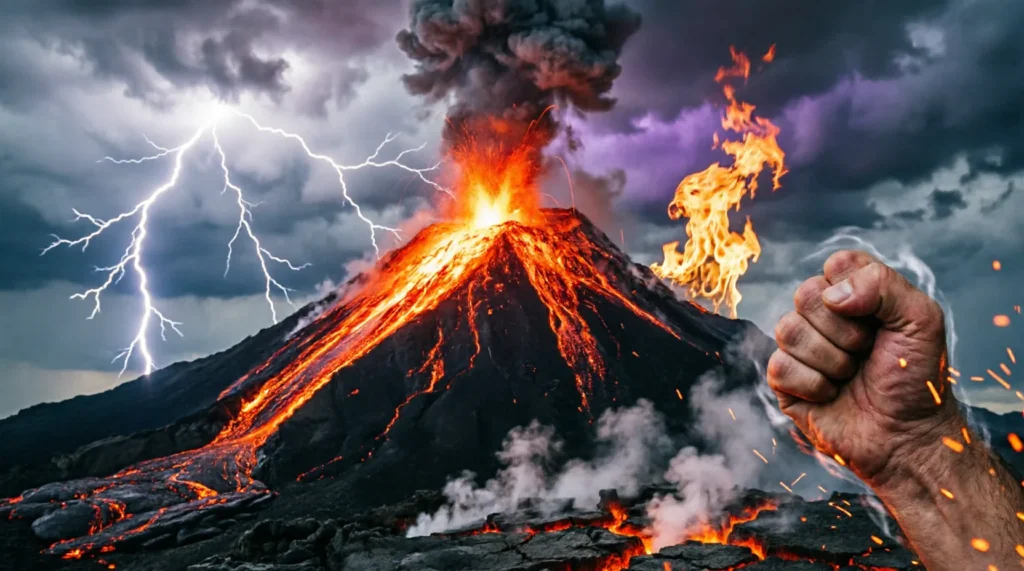
Anger is a volatile emotion that defies simple description. It twists the body, clouds the mind, and demands expression. When you reach for language to capture this heat, generic terms like “mad” or “furious” often fall flat. That is where similes and metaphors step in. They transform abstract fury into tangible images—boiling kettles, storm fronts, and cracking ice—that allow readers to feel the temperature of your character’s rage. In this guide, I have curated a collection of vivid comparisons categorized by intensity and texture. Use these examples to sharpen your dialogue, deepen your prose, and give your anger a voice that resonates.
The Difference Between Similes and Metaphors
Before we dive into the examples, it helps to clarify the tools at our disposal. A simile explicitly compares two things using “like” or “as,” creating a bridge between the emotion and an image. According to Wikipedia, this direct comparison allows the reader to see the similarity clearly without losing the distinction between the two elements.
A metaphor, on the other hand, asserts that one thing is another. It collapses the distance between the emotion and the image, creating a more immediate and often more intense identification. As noted in the article on Metaphor, this figure of speech can convey complex ideas more efficiently by merging the subject with its descriptor. For anger, similes often describe the behavior of rage, while metaphors describe its essence.
Low-Grade Irritation and Frustration
Not all anger arrives with a bang. Sometimes it simmers quietly, a background noise that distracts and annoys. These similes capture the petty, persistent nature of mild irritation. They are perfect for scenes where a character is dealing with bureaucracy, traffic, or minor social slights.
- “like a pebble in my shoe” — “His constant interruptions were like a pebble in my shoe, small but impossible to ignore.” (persistent, distracting)
- “as prickly as a cactus” — “She was as prickly as a cactus after three hours of sleep, snapping at anyone who came near.” (defensive, touchy)
- “like a fly buzzing around my head” — “The doubt lingered like a fly buzzing around my head, refusing to land or leave.” (annoying, persistent)
- “as tense as a coiled spring” — “He sat as tense as a coiled spring, waiting for the smallest excuse to snap.” (ready to break, anxious)
- “like static on a radio” — “Her criticism hit me like static on a radio, harsh and unintelligible but grating on the nerves.” (irritating, unclear)
- “as sour as spoiled milk” — “The mood in the room turned as sour as spoiled milk after the announcement.” (unpleasant, spreading)
- “like a itch you can’t scratch” — “The injustice felt like an itch you can’t scratch, driving him mad with helplessness.” (frustrating, maddening)
- “as sharp as a tack” — “Her replies were as sharp as a tack, designed to puncture his ego rather than answer his questions.” (cutting, precise)
Craft Note: The “pebble in the shoe” simile works because it invokes a physical sensation everyone knows. It is not dangerous, but it prevents comfort and focus. This makes it ideal for showing how minor annoyances accumulate over time.
High-Intensity Rage and Fury
When irritation boils over, it becomes rage. This is the domain of shouting, slamming doors, and seeing red. These comparisons need weight and violence. They should feel dangerous to both the character experiencing them and those around them. Use these when the stakes are high and control is lost.
- “like a volcano erupting” — “His temper exploded like a volcano erupting, burying the conversation in ash and lava.” (destructive, sudden)
- “as hot as a furnace” — “Her glare was as hot as a furnace, burning away any chance of a polite exit.” (intense, scorching)
- “like a bull in a china shop” — “He moved through the argument like a bull in a china shop, breaking everything in his path.” (clumsy, destructive)
- “as wild as a storm” — “Her anger was as wild as a storm, tearing through the house with wind and rain.” (chaotic, uncontrollable)
- “like a bomb going off” — “The news hit him like a bomb going off, leaving silence and debris in its wake.” (shocking, devastating)
- “as fierce as a tiger” — “She fought back as fierce as a tiger, claws out and eyes blazing.” (predatory, powerful)
- “like a forest fire” — “The rumor spread like a forest fire, consuming reputations before anyone could stop it.” (fast, consuming)
- “as loud as thunder” — “His voice was as loud as thunder, shaking the windows and silencing the crowd.” (overpowering, booming)
Craft Note: Avoid “like a bomb going off” if you want subtlety. It is a cliché that has lost its shock value. Instead, try “like a pressure cooker lid blowing off.” It suggests built-up tension that was inevitable, adding psychological depth to the explosion.
Cold, Calculated Anger
Not all rage is hot. Some anger freezes the air. It is quiet, controlled, and often more terrifying than shouting because it implies calculation. These similes are useful for villains, disappointed parents, or characters who have moved past screaming into the realm of consequence.
- “like ice water down the spine” — “His threat was like ice water down the spine, chilling me to the bone.” (frightening, sudden)
- “as cold as marble” — “Her expression was as cold as marble, beautiful but utterly unfeeling.” (hard, unyielding)
- “like a glacier moving” — “His resentment moved like a glacier, slow, heavy, and crushing everything in its path.” (slow, inevitable)
- “as sharp as broken glass” — “Her words were as sharp as broken glass, cutting deep and leaving shards behind.” (painful, dangerous)
- “like a snake in the grass” — “His betrayal felt like a snake in the grass, hidden until it was too late.” (deceptive, venomous)
- “as still as a frozen lake” — “The room was as still as a frozen lake, everyone afraid to crack the surface.” (tense, silent)
- “like a shadow lengthening” — “His anger grew like a shadow lengthening, darkening the room as the day ended.” (gradual, ominous)
- “as hard as steel” — “Her resolve was as hard as steel, unmoved by pleas or tears.” (unbreakable, rigid)
Craft Note: The “glacier” metaphor is particularly effective because it combines coldness with immense weight. It suggests that the anger is not just an emotion but a force of nature that cannot be reasoned with, only endured.
Internalized Anger and Resentment
Sometimes anger does not go outward. It turns inward, eating away at the character from the inside. These similes describe the corrosive nature of suppressed rage. They are essential for internal monologues or scenes where a character is smiling while dying inside.
- “like acid in the stomach” — “The lie sat in his chest like acid in the stomach, burning him from within.” (corrosive, painful)
- “as heavy as a stone” — “Her guilt lay as heavy as a stone in her gut, weighing down every step.” (burdensome, sinking)
- “like a knot in the throat” — “He swallowed his anger like a knot in the throat, tight and impossible to dissolve.” (choking, suppressed)
- “as bitter as poison” — “The memory tasted as bitter as poison, lingering long after the event had passed.” (toxic, lingering)
- “like a rusted hinge” — “Their relationship creaked like a rusted hinge, stiff with years of unsaid grievances.” (stiff, decaying)
- “as dark as a cave” — “His mood turned as dark as a cave, swallowing any light that tried to enter.” (isolating, deep)
- “like a slow leak” — “Her confidence drained like a slow leak, leaving her flat and empty.” (gradual, draining)
- “as tangled as wire” — “His thoughts were as tangled as wire, messy and dangerous to pull apart.” (confused, snarled)
Craft Note: “Like acid in the stomach” is a visceral choice. It connects emotional pain to physical illness, which helps readers empathize with the character’s suffering even if they disagree with their actions. It grounds the abstract emotion in bodily reality.
How to Write Your Own Anger Simile
Creating original comparisons is easier than you think. You do not need to be a poet; you just need to observe. Follow these three steps to build similes that feel fresh and authentic.
- Identify the Physical Sensation. Close your eyes and remember a time you were angry. Where did you feel it? Was your face hot? Were your hands shaking? Did your chest tighten? Start with the body.
- Find a Matching Object. Look around the room. What object shares that quality? If your face is hot, think of stoves, suns, or peppers. If your chest is tight, think of vices, knots, or cages.
- Connect with “Like” or “As.” Combine the sensation and the object. Test it aloud. Does it sound natural? Does it fit the character’s voice?
Worked Example:
- Sensation: My jaw is clenched so hard it hurts.
- Object: A trap snapping shut.
- Simile: “My jaw clicked shut like a trap snapping shut, locking the words inside.”
This process moves you away from clichés like “seeing red” and toward images that are specific to your character’s experience.
Frequently Asked Questions
What is the best simile for sudden anger? “Like a lightning strike” is a classic choice because it captures the speed and shock. However, “like a slap in the face” is more personal and visceral, making it better for interpersonal conflicts.
Can I mix similes and metaphors in the same paragraph? Yes, but use caution. Switching too quickly between “he was a lion” and “he roared like a storm” can confuse the reader. Stick to one dominant image per paragraph to maintain clarity and impact.
Are there any anger similes I should avoid? Avoid “boiling blood” and “seeing red.” These are so overused they have become invisible to readers. Instead of telling us the blood is boiling, show us the character’s hands shaking or their vision blurring. Specificity beats cliché every time.
How do I choose between a hot and cold anger simile? Look at the character’s intent. If they want to destroy or express pain, use heat. If they want to control, punish, or withdraw, use cold. Hot anger is chaotic; cold anger is strategic. Match the image to the motivation.

Brian Walker is an esteemed linguist with a Ph.D. in Language and Literature from Stanford University. Over the past 20 years, Brian has dedicated his research to understanding the impact of figurative language on communication and literature. His extensive body of work includes scholarly articles that have been published in numerous academic journals. Brian’s fascination with similes emerged during his doctoral studies, where he examined their role in enhancing rhetorical persuasion and emotional resonance. As a contributor to VividSimiles, he writes detailed analyses on the historical evolution of similes and their varied applications across different cultures and languages. Brian’s articles are known for their depth and clarity, bridging the gap between academic research and practical application. He is committed to enlightening readers about the intricacies of language and the beauty of well-crafted similes.