

Similes help class 6 students add color and clarity to their writing by comparing one thing to another using “like” or “as.” The examples below are organized by theme so you can quickly find the perfect comparison for your story, poem, or essay. Each simile comes with a real sentence showing exactly how to use it.
What is a simile?
A simile is a figure of speech that directly compares two different things using the words “like” or “as.” According to Wikipedia’s entry on Simile, this literary device helps writers create vivid images by linking familiar objects or experiences to what they’re describing. The key difference between a simile and a metaphor is that a simile always uses “like” or “as” to make the comparison explicit, while a metaphor states that one thing is another thing without those connecting words.
Everyday Life Similes
These similes draw from experiences that class 6 students encounter daily, making them perfect for personal narratives and realistic fiction.
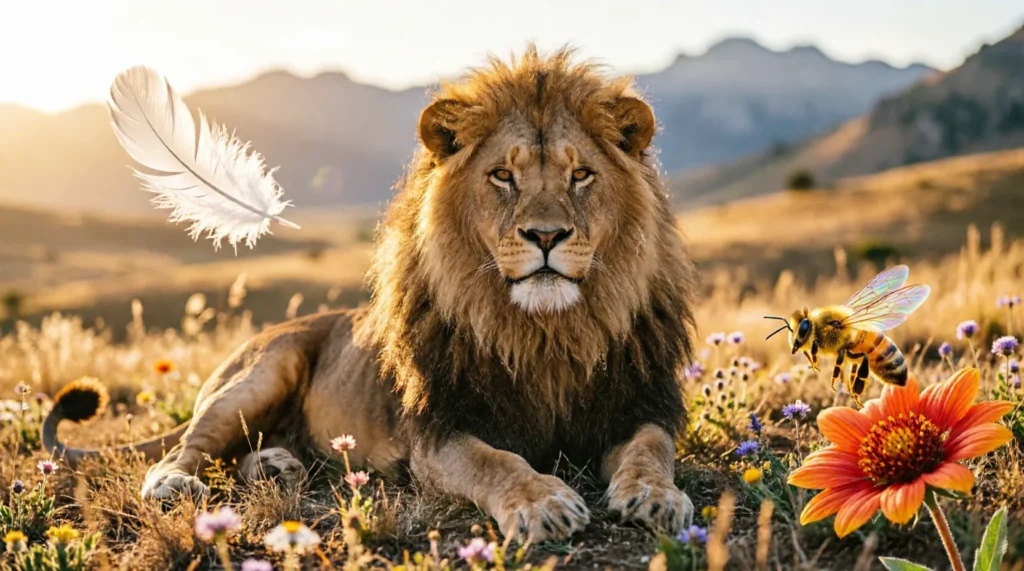
“as busy as a bee” — “The classroom was as busy as a bee during group work.” (energetic, productive)
“as clear as day” — “The answer was as clear as day once I read the question again.” (obvious, straightforward)
“as easy as pie” — “The math test was as easy as pie after studying all weekend.” (simple, effortless)
“as fit as a fiddle” — “My grandfather is as fit as a fiddle even at seventy.” (healthy, vigorous)
“as good as gold” — “The puppy was as good as gold during the car ride.” (well-behaved, obedient)
“as light as a feather” — “The new backpack is as light as a feather compared to my old one.” (weightless, easy to carry)
“as plain as day” — “Her disappointment was as plain as day when she didn’t make the team.” (visible, unmistakable)
“as quick as lightning” — “He finished his homework as quick as lightning so he could play outside.” (fast, efficient)
The version my students always reach for first is “as busy as a bee” because it works in so many contexts—describing a person, a place, or even a feeling. The alliteration (the repeated “b” sound) makes it satisfying to say aloud, which is why it sticks in your memory.
Nature and Weather Similes
Nature provides endless inspiration for vivid comparisons. These similes work especially well in descriptive writing and poetry assignments.
“as cold as ice” — “Her hands were as cold as ice after building the snowman.” (freezing, chilled)
“as dry as a bone” — “The playground was as dry as a bone after weeks without rain.” (parched, arid)
“as fresh as a daisy” — “I felt as fresh as a daisy after a good night’s sleep.” (refreshed, energized)
“as hard as a rock” — “The ground was as hard as a rock after the frost.” (solid, unyielding)
“as hot as an oven” — “The classroom was as hot as an oven before the AC kicked in.” (sweltering, stifling)
“as light as air” — “The cotton candy was as light as air on my tongue.” (delicate, weightless)
“as pure as snow” — “The wedding dress was as pure as snow.” (clean, pristine)
“as steady as a mountain” — “Her resolve was as steady as a mountain despite the challenges.” (unwavering, firm)
I tell my class 6 students to avoid “as cold as ice” unless they’re writing dialogue for a character who speaks in clichés. It’s so overused that readers’ eyes glide right over it without really seeing the image. Instead, try “as cold as a winter morning” or “as cold as the deep end of the pool”—specific details that actually make readers feel something.
Animal Similes
Comparing people or things to animals creates instant, recognizable images. These work wonderfully in character descriptions and action scenes.
“as brave as a lion” — “She stood up to the bully as brave as a lion.” (courageous, fearless)
“as cunning as a fox” — “The detective was as cunning as a fox, always one step ahead.” (clever, sly)
“as gentle as a lamb” — “Despite his size, he was as gentle as a lamb with the younger kids.” (kind, tender)
“as hungry as a wolf” — “After soccer practice, I was as hungry as a wolf.” (ravenous, starving)
“as proud as a peacock” — “He strutted around as proud as a peacock after winning the science fair.” (vain, boastful)
“as quiet as a mouse” — “The library was as quiet as a mouse during exam week.” (silent, hushed)
“as sly as a fox” — “The salesman was as sly as a fox, convincing everyone to buy his product.” (deceptive, tricky)
“as strong as an ox” — “My dad is as strong as an ox and can lift the sofa by himself.” (powerful, muscular)
“as wise as an owl” — “My grandmother is as wise as an owl and always gives the best advice.” (knowledgeable, insightful)
According to Wikipedia’s article on Class, sixth-grade students are typically eleven to twelve years old—an age when they’re developing more sophisticated language skills but still enjoy playful, concrete imagery. Animal similes hit that sweet spot perfectly because they’re imaginative without being too abstract.
The simile “as brave as a lion” earns its popularity honestly. Lions are universally recognized symbols of courage across cultures, and the hard “l” sound in both “lion” and “brave” creates a subtle sonic connection that makes the phrase feel unified. However, I challenge my advanced students to push beyond it: “as brave as a firefighter running into a burning building” creates a more specific, modern image.
Emotion and Character Similes
These similes help writers express feelings and personality traits with precision and impact.
“as happy as a clam” — “She was as happy as a clam when she found out she made the team.” (delighted, content)
“as mad as a hornet” — “Dad was as mad as a hornet when he saw the dent in his car.” (furious, enraged)
“as nervous as a long-tailed cat in a room full of rocking chairs” — “I was as nervous as a long-tailed cat in a room full of rocking chairs before my presentation.” (anxious, jittery)
“as patient as a saint” — “The teacher was as patient as a saint, explaining the concept three different ways.” (tolerant, understanding)
“as poor as a church mouse” — “After buying all those books, I was as poor as a church mouse.” (broke, impoverished)
“as rich as Croesus” — “The tech entrepreneur is as rich as Croesus.” (wealthy, affluent)
“as sad as a funeral” — “The movie ending was as sad as a funeral.” (mournful, depressing)
“as sick as a dog” — “I was as sick as a dog after eating that expired yogurt.” (ill, unwell)
“as stubborn as a mule” — “My little brother is as stubborn as a mule when he doesn’t want to do his chores.” (obstinate, inflexible)
The extended simile “as nervous as a long-tailed cat in a room full of rocking chairs” is a favorite in my classroom because it shows how you can build a more elaborate comparison for comedic or dramatic effect. The specificity creates a vivid mental image that’s both funny and relatable. I encourage students to try creating their own extended similes by adding context: instead of “as nervous as a cat,” try “as nervous as a cat at the vet’s office.”
Action and Movement Similes
Dynamic similes that capture motion and energy work beautifully in sports writing, adventure stories, and action sequences.
“as fast as a cheetah” — “The runner moved as fast as a cheetah during the final sprint.” (swift, rapid)
“as free as a bird” — “After finals, I felt as free as a bird.” (liberated, unrestricted)
“as graceful as a swan” — “The dancer moved as graceful as a swan across the stage.” (elegant, fluid)
“as quick as a wink” — “The magician made the coin disappear as quick as a wink.” (instantaneous, immediate)
“as sharp as a tack” — “Even at ninety, her mind is as sharp as a tack.” (alert, intelligent)
“as smooth as silk” — “The new phone screen is as smooth as silk.” (sleek, polished)
“as straight as an arrow” — “He walked as straight as an arrow toward the finish line.” (direct, unwavering)
“as tight as a drum” — “The security on this app is as tight as a drum.” (secure, impenetrable)
“as weak as water” — “My alibi was as weak as water and fell apart immediately.” (flimsy, unconvincing)
I always tell my students that “as fast as a cheetah” works, but it’s become so common in sports writing that editors sometimes mark it as a cliché. The stronger choice is to be more specific: “as fast as a cheetah chasing gazelle across the savanna” or “as fast as a cheetah in full stride.” Adding that extra detail transforms a tired phrase into something fresh.
How to write your own class 6 simile
Creating original similes is easier than you think when you follow this simple three-step process. First, identify the quality you want to describe—is it speed, brightness, hardness, or something else? Second, brainstorm objects, animals, or experiences that share that quality. Don’t settle for the first idea; push yourself to list at least five possibilities. Third, test your comparison by asking: would someone who’s never heard this before instantly understand what I mean?
Here’s a worked example: Let’s say you want to describe how crowded the cafeteria is at lunch. The quality is “crowded” or “packed.” Brainstorm: a packed subway car, sardines in a can, bees in a hive, students cramming into an elevator, popcorn popping in a microwave. Now test them: “The cafeteria was as crowded as sardines in a can” works because everyone knows sardine cans are tightly packed. But “The cafeteria was as crowded as popcorn popping in a microwave” is more original and creates a dynamic image of movement and noise, not just density.
Frequently Asked Questions
What’s the difference between a simile and a metaphor for class 6 students?
A simile uses “like” or “as” to make a comparison (“her smile was like sunshine”), while a metaphor states that one thing is another thing (“her smile was sunshine”). Similes are generally easier for class 6 students to identify and write because the comparison words make the relationship explicit.
How many similes should I use in one paragraph?
For class 6 writing, one or two well-chosen similes per paragraph is ideal. Too many similes can make your writing feel forced or distract from your main message. Think of similes like spices—a little enhances the flavor, but too much overwhelms the dish.
Can I mix similes with other figurative language?
Absolutely! Similes work beautifully alongside metaphors, personification, and hyperbole. Just make sure each figure of speech serves your writing and doesn’t compete with the others. A paragraph that says “the wind howled like a wolf” (simile + personification) is stronger than one that piles on five different comparisons.
What if my simile doesn’t sound right?
Read it aloud. Your ear will catch awkward phrasing that your eye might miss. If it sounds clunky or confusing, try a different comparison or simplify your language. The best similes feel natural, not forced.

Brian Walker is an esteemed linguist with a Ph.D. in Language and Literature from Stanford University. Over the past 20 years, Brian has dedicated his research to understanding the impact of figurative language on communication and literature. His extensive body of work includes scholarly articles that have been published in numerous academic journals. Brian’s fascination with similes emerged during his doctoral studies, where he examined their role in enhancing rhetorical persuasion and emotional resonance. As a contributor to VividSimiles, he writes detailed analyses on the historical evolution of similes and their varied applications across different cultures and languages. Brian’s articles are known for their depth and clarity, bridging the gap between academic research and practical application. He is committed to enlightening readers about the intricacies of language and the beauty of well-crafted similes.