

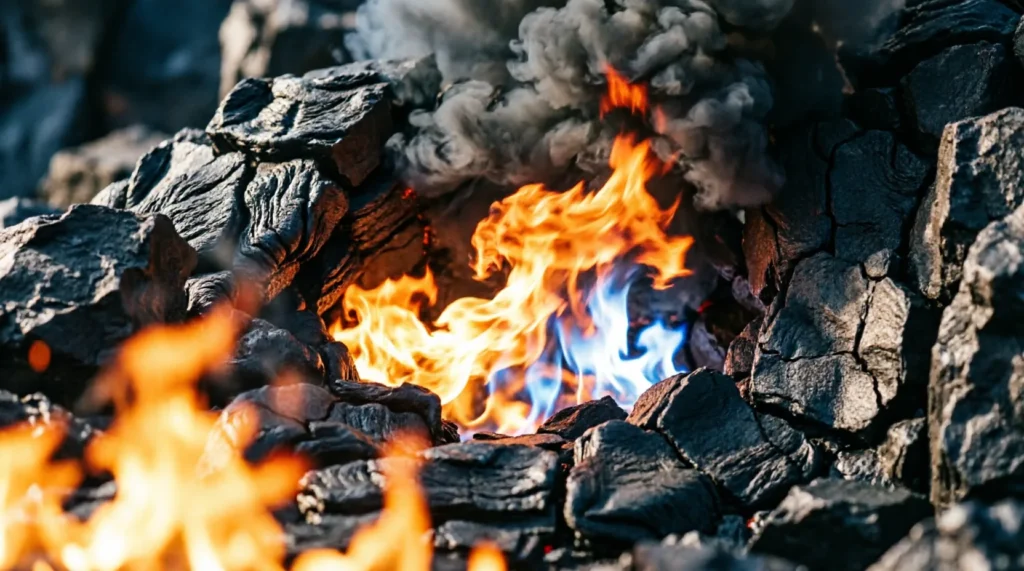
When you describe a fire-breathing dragon, you aren’t just describing a monster; you are describing pure, unadulterated force. The best similes for this subject bridge the gap between the mythical and the tangible, helping readers feel the heat, hear the roar, and sense the danger without needing a thousand words. The examples below are categorized by intensity and emotion, giving you ready-to-use comparisons for everything from a playful fantasy scene to a terrifying climax. Use these to replace generic adjectives with vivid imagery that sticks in the reader’s mind.
What is a simile?
A simile is a figure of speech that directly compares two different things using the words “like” or “as.” Unlike a metaphor, which states that one thing is another, a simile maintains the distinction between the two while highlighting a shared quality. According to Metaphor, this explicit comparison allows writers to create vivid imagery by linking the unfamiliar (a dragon’s breath) to the familiar (a blast furnace). While metaphors offer implicit depth, similes provide immediate clarity and rhythmic punch, making them ideal for action sequences where speed and impact matter most.
Similes for Raw Power and Destruction
These similes focus on the sheer physical force of the dragon’s breath. They are best used when you want to emphasize the catastrophic impact of the fire on the environment or the characters’ surroundings.
- “like a collapsing star” — “The dragon’s breath hit the castle walls like a collapsing star, turning stone to dust in an instant.” (cosmic, overwhelming)
- Craft note: This works because it elevates the scale from earthly destruction to celestial catastrophe, implying a force that cannot be resisted.
- “as hot as molten iron” — “The air shimmered, hot as molten iron, forcing the knights to drop their shields.” (industrial, painful)
- “like a tidal wave of flame” — “It wasn’t a stream of fire; it washed over the village like a tidal wave of flame.” (fluid, unstoppable)
- “as fierce as a hurricane’s eye” — “The center of the blast was as fierce as a hurricane’s eye, calm only before the total devastation.” (chaotic, natural disaster)
- “like a thunderclap made of fire” — “The sound arrived first, loud like a thunderclap made of fire, before the heat even touched us.” (sensory, shocking)
- “as destructive as a wildfire in drought” — “The forest burned as destructively as a wildfire in drought, leaving nothing but ash and memory.” (relentless, dry)
- “like a hammer blow from the gods” — “The impact felt like a hammer blow from the gods, shaking the very foundations of the earth.” (mythological, heavy)
- “as intense as a solar flare” — “The light was blinding, as intense as a solar flare, burning the image of the beast into our retinas.” (bright, searing)
Avoid the cliché “like a bomb.” It is too vague and lacks the organic, living quality of a dragon. Instead, choose similes that evoke specific types of destruction, such as the fluidity of water or the weight of stone.
Similes for Heat and Temperature
Sometimes the danger isn’t the impact, but the temperature. These similes help the reader feel the sweat on their brow and the singeing of their hair. They are essential for building tension before the actual attack lands.
- “like opening a furnace door” — “Standing before the beast was like opening a furnace door, the heat hitting your face in a solid wall.” (sudden, oppressive)
- Craft note: This is a strong tactile simile because everyone knows the physical recoil of sudden, intense heat. It creates an immediate bodily reaction in the reader.
- “as hot as fresh lava” — “The ground beneath its feet glowed as hot as fresh lava, melting the snow in seconds.” (geological, slow-burning)
- “like the heart of a volcano” — “Its throat glowed like the heart of a volcano, pulsing with red and orange light.” (internal, pressurized)
- “as scorching as desert noon” — “The breath was as scorching as desert noon, drying out our lips and cracking our skin.” (arid, exhausting)
- “like a brand pressed to skin” — “The edge of the flame felt like a brand pressed to skin, sharp and immediate.” (painful, personal)
- “as blistering as boiling oil” — “The spray of fire was as blistering as boiling oil, sticking to everything it touched.” (viscous, lingering)
- “like standing inside a kiln” — “We were trapped, standing inside a kiln, with no air left to breathe.” (claustrophobic, dry)
- “as warm as a summer storm” — “Before the fire came, the air grew as warm as a summer storm, heavy and electric.” (ominous, atmospheric)
When describing heat, focus on the physiological response. Does it dry out the eyes? Does it make the air hard to breathe? Specificity here builds realism in a fantasy context.
Similes for Sound and Roar
A fire-breathing dragon is never silent. The sound of the ignition and the roar that accompanies the flame are crucial for immersive writing. These similes help you describe the auditory experience of the beast.
- “like a jet engine igniting” — “The sound built up like a jet engine igniting, a high-pitched whine that turned into a roar.” (mechanical, rising)
- Craft note: This modern comparison works well in urban fantasy or when you want to emphasize the unnatural power of the creature. It bridges the mythical and the modern.
- “as loud as a crumbling mountain” — “The roar was as loud as a crumbling mountain, echoing off the cliffs for miles.” (heavy, resonant)
- “like tearing metal” — “The initial spark sounded like tearing metal, sharp and jagged against the silence.” (grating, harsh)
- “as deep as ocean trenches” — “The growl preceding the fire was as deep as ocean trenches, vibrating in our chests.” (subterranean, primal)
- “like a freight train in a tunnel” — “The rush of air sounded like a freight train in a tunnel, deafening and close.” (enclosed, fast)
- “as shrill as a screaming eagle” — “The high notes of its cry were as shrill as a screaming eagle, piercing through the chaos.” (sharp, avian)
- “like cracking ice” — “The sound of its jaws opening was like cracking ice, clean and dangerous.” (brittle, sharp)
- “as rumbling as distant thunder” — “We heard it coming, as rumbling as distant thunder, long before we saw the glow.” (approaching, ominous)
According to Breathing, the act of exhalation can produce significant sound when forced through narrow passages. Applying this biological reality to a dragon makes the simile “like a jet engine” feel grounded in physical possibility, even within a magical context.
Similes for Color and Light
Visuals are the first thing a reader sees. These similes help you describe the specific hues of the dragon’s fire, moving beyond simple “red” or “orange” to create a more painterly effect.
- “like spilled mercury on fire” — “The flames shifted color, looking like spilled mercury on fire, silver and deadly.” (unusual, toxic)
- “as bright as a supernova” — “The burst of light was as bright as a supernova, washing out all other colors.” (blinding, white)
- “like autumn leaves in a gale” — “The embers flew around us like autumn leaves in a gale, beautiful and deadly.” (natural, swirling)
- “as red as fresh blood” — “The core of the flame was as red as fresh blood, stark against the night sky.” (violent, visceral)
- “like molten gold” — “The fire flowed like molten gold, heavy and rich, coating the battlefield.” (precious, heavy)
- “as purple as a bruise” — “At the edges, the fire turned as purple as a bruise, hinting at magical corruption.” (unnatural, sickly)
- “like dancing ribbons” — “The flames twisted like dancing ribbons, elegant despite their destruction.” (graceful, fluid)
- “as green as poison” — “The dragon breathed fire as green as poison, eating away at the stone.” (chemical, eerie)
Avoid “like a candle.” It is too small and gentle for a dragon. You want similes that suggest volume and intensity. “Molten gold” is a favorite among my students because it combines value with danger, creating a complex emotional response.
How to write your own dragon simile
Creating your own similes is easier than you think if you follow a simple three-step process. First, identify the specific attribute you want to highlight (heat, sound, color, or force). Second, brainstorm a real-world object or event that shares that attribute but is familiar to your reader. Third, connect them using “like” or “as” and test the rhythm.
For example, let’s say you want to describe the speed of the fire.
- Attribute: Speed.
- Real-world object: A whip crack.
- Connection: “The fire struck like a whip crack.”
Now, refine it for better imagery: “The flame lashed out like a whip crack, stinging the air before we could duck.” This method ensures your similes are grounded in sensory reality rather than abstract concepts. Always read your simile aloud. If it trips up your tongue, it will trip up your reader.
Frequently Asked Questions
What is the difference between a simile and a metaphor for a dragon? A simile uses “like” or “as” to compare the dragon’s fire to something else (e.g., “fire like a furnace”), while a metaphor states the fire is that thing (e.g., “the dragon’s breath was a furnace”). Similes are often clearer for action scenes, while metaphors can be more poetic and abstract.
How do I avoid clichés when writing about dragons? Avoid overused comparisons like “hot as hell” or “big as a house.” Instead, look for specific, sensory details. Compare the sound to a specific machine or the color to a specific natural phenomenon. Specificity is the enemy of cliché.
Can I use similes for non-fire aspects of a dragon? Absolutely. You can use similes to describe the texture of scales (“rough as sandpaper”), the size of wings (“wide as a sail”), or the intelligence in their eyes (“sharp as a hawk”). The same principles of sensory comparison apply to all physical traits.
Why are similes important in fantasy writing? Fantasy involves elements that don’t exist in the real world. Similes anchor these imaginary concepts in real-world sensory experiences, helping readers visualize and feel the magic. They bridge the gap between the unknown and the known, making the impossible feel tangible.

Jennifer Martinez is a creative writer and educator with a deep love for similes and figurative language. With a degree in Creative Writing from New York University and over a decade of teaching experience in high schools, Jennifer has a unique ability to explain complex concepts in simple terms. Her journey into the world of figurative language began with her own writing, where she noticed how similes and metaphors could transform the mundane into the extraordinary. At VividSimiles, Jennifer shares her expertise by writing thought-provoking essays and guides on how similes enhance storytelling. Her content often focuses on helping writers of all levels hone their style by incorporating figurative language effectively. In her spare time, Jennifer enjoys reading poetry and experimenting with new forms of expression in her own work.