

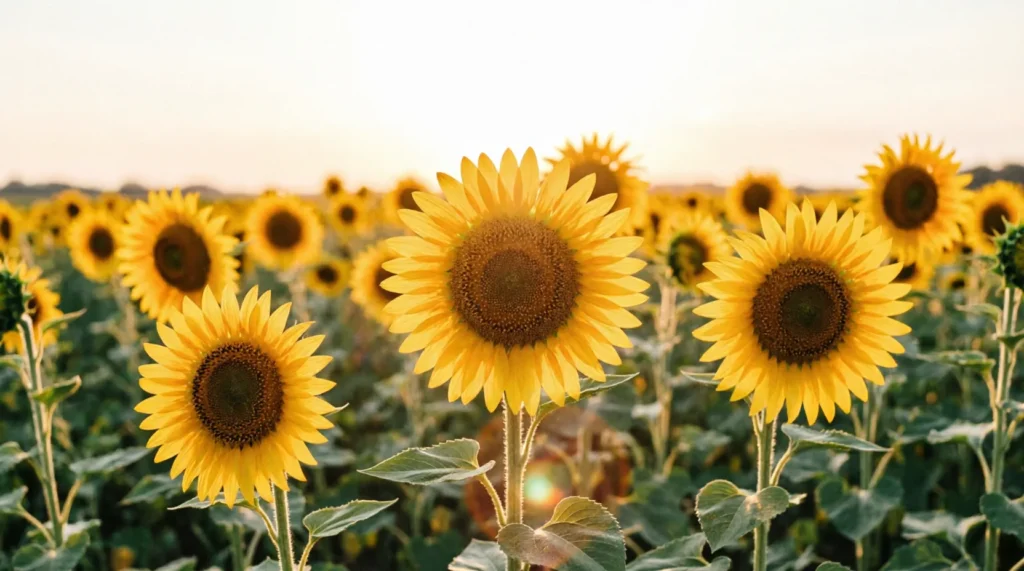
A well-chosen simile to describe a summer day can transport your reader straight into the heat, the light, the particular texture of those long hours between sunrise and sunset. The examples below are organized by mood and intensity, each embedded in a real sentence so you can see exactly how it works in context. Whether you’re capturing the golden glow of a perfect beach day or the oppressive weight of a heatwave, you’ll find language that fits.
What Is a Simile?
A simile is a figure of speech that directly compares two different things using “like” or “as” to highlight a shared quality. According to Simile, this literary device creates vivid imagery by drawing unexpected connections between the familiar and the unfamiliar. The key difference between a simile and a metaphor is that a simile announces its comparison (“her smile was like sunshine”), while a metaphor states it as fact (“her smile was sunshine”). Both can be powerful, but similes offer a slightly softer, more deliberate way to describe sensory experiences like the feeling of a summer afternoon.
Golden and Glorious: Perfect Summer Days
These similes capture those rare, flawless summer days when everything feels right—the kind you want to bottle up and save for winter.
“like honey poured over the world” — “The afternoon light fell like honey poured over the world, thick and golden and slow.” (warm, luxurious) Craft note: The viscosity of honey mirrors how summer light seems to move slower, cling longer.
“as bright as a freshly polished coin” — “The sky stretched above us as bright as a freshly polished coin, without a single cloud to dull its shine.” (crisp, clear)
“like a postcard come to life” — “Everything looked like a postcard come to life, impossibly vibrant and picture-perfect.” (idealized, nostalgic)
“as warm as fresh-baked bread” — “The breeze that drifted through the open window was as warm as fresh-baked bread, carrying the scent of cut grass.” (comforting, homey) Craft note: This works because it engages multiple senses—temperature, smell, taste—creating a fuller experience.
“like the world had been turned up to maximum brightness” — “After the storm cleared, the day unfolded like the world had been turned up to maximum brightness, every color intensified.” (vivid, electric)
“as cheerful as a yellow sundress” — “The morning arrived as cheerful as a yellow sundress, promising adventure and ease.” (light, optimistic)
“like a perfect note held too long” — “The day lingered like a perfect note held too long, beautiful but almost unbearable in its perfection.” (bittersweet, intense) Craft note: The musical comparison suggests both beauty and tension—perfection that can’t last.
“as inviting as an open pool” — “The afternoon sat before us as inviting as an open pool on a hot day, impossible to resist.” (refreshing, tempting)
Heavy and Oppressive: When Summer Becomes Too Much
Not all summer days are idyllic. These similes capture the suffocating weight of extreme heat, the kind that presses down and drains energy.
“like being wrapped in wet wool” — “Stepping outside felt like being wrapped in wet wool, the heat clinging and heavy.” (uncomfortable, suffocating) Craft note: The tactile image of wet fabric against skin immediately conveys that sticky, inescapable feeling.
“as thick as soup” — “The air was as thick as soup, each breath an effort.” (dense, difficult)
“like an oven with the door closed” — “The city baked like an oven with the door closed, radiating heat from every surface.” (trapped, intense)
“as relentless as a dripping faucet” — “The sun beat down as relentless as a dripping faucet, wearing away at our patience drop by drop.” (maddening, persistent)
“like wading through molasses” — “Every movement felt like wading through molasses, slow and sticky and exhausting.” (sluggish, draining)
“as punishing as a treadmill set too high” — “The midday heat was as punishing as a treadmill set too high, demanding effort just to exist.” (harsh, unforgiving)
“like a weight on your chest” — “The humidity settled over us like a weight on your chest, making it hard to breathe, hard to think.” (oppressive, anxious) Craft note: This physical sensation translates emotional weight into bodily experience, which readers feel viscerally.
“as inescapable as your own shadow” — “The heat followed us as inescapable as your own shadow, present no matter where we turned.” (frustrating, constant)
Honest assessment: “Hot as hell” is the most overused simile for summer heat, and it’s lazy writing. Skip it. The examples above give you specificity that actually makes readers feel the temperature.
Slow and Dreamy: Lazy Summer Afternoons
These similes capture the languid, timeless quality of summer days when there’s nowhere to be and nothing urgent to do.
“like time itself had slowed to a crawl” — “The afternoon stretched out like time itself had slowed to a crawl, each minute expanding into something luxurious.” (leisurely, expansive)
“as slow as molasses in January” — “The day moved as slow as molasses in January, and we didn’t mind one bit.” (deliberate, unhurried) Craft note: This classic Southern expression works because it’s regionally specific and has built-in rhythm.
“like a record played at the wrong speed” — “Everything felt like a record played at the wrong speed, stretched and dreamy and slightly unreal.” (surreal, nostalgic)
“as drowsy as a cat in a sunbeam” — “The whole neighborhood seemed as drowsy as a cat in a sunbeam, dozing through the hottest hours.” (peaceful, contented)
“like floating in warm water” — “The hours passed like floating in warm water, weightless and effortless.” (calm, buoyant)
“as endless as the horizon” — “The afternoon stretched before us as endless as the horizon, full of possibility.” (expansive, open)
“like a long, slow exhale” — “The day unfolded like a long, slow exhale, releasing all tension, all urgency.” (relaxing, restorative) Craft note: Connecting the day’s pace to breathing makes it feel natural, bodily, inevitable.
“as gentle as a lullaby” — “The summer evening approached as gentle as a lullaby, softening edges, quieting noise.” (soothing, tender)
Bright and Blazing: Intense Summer Light
These similes focus on the visual intensity of summer—the harsh glare, the brilliant colors, the way light dominates everything.
“like a spotlight turned up too high” — “The noon sun hit the pavement like a spotlight turned up too high, bleaching color from everything it touched.” (harsh, overwhelming)
“as sharp as broken glass” — “The light cut through the trees as sharp as broken glass, creating harsh lines of brightness and shadow.” (intense, cutting)
“like a camera flash that won’t turn off” — “The day blazed like a camera flash that won’t turn off, too bright to look at directly.” (jarring, relentless)
“as white-hot as a welder’s torch” — “The sun hung in the sky as white-hot as a welder’s torch, burning away the morning dew in seconds.” (scorching, industrial) Craft note: The unexpected industrial comparison creates surprise while accurately conveying temperature.
“like staring directly into a bulb” — “Looking up felt like staring directly into a bulb, forcing you to squint, to look away.” (painful, unavoidable)
“as brilliant as a diamond” — “The midday sky was as brilliant as a diamond, hard and bright and flawless.” (precious, intense)
“like the world had been overexposed” — “Everything looked like the world had been overexposed, colors washed out by sheer brightness.” (faded, harsh)
“as unforgiving as fluorescent lighting” — “The afternoon sun was as unforgiving as fluorescent lighting, revealing every flaw, every imperfection.” (revealing, clinical)
Nostalgic and Bittersweet: Summer Days That Slip Away
These similes capture the emotional weight of summer days—the awareness that they’re temporary, that childhood summers are gone, that this moment won’t last.
“like a song you can’t quite remember” — “The day felt like a song you can’t quite remember, familiar but slipping away even as you experience it.” (melancholy, fleeting) Craft note: This captures the paradox of summer: intensely present yet already becoming memory.
“as fleeting as a firefly’s glow” — “Perfect moments scattered through the afternoon as fleeting as a firefly’s glow, here and then gone.” (ephemeral, precious)
“like a photograph left in the sun” — “The memory of that day faded like a photograph left in the sun, colors bleaching even as I tried to hold onto them.” (fading, loss)
“as temporary as a sandcastle” — “The summer stretched before us as temporary as a sandcastle, beautiful but doomed.” (doomed, poignant)
“like the last page of a good book” — “We knew the season was ending, each day like the last page of a good book that you don’t want to finish.” (reluctant, aware)
“as distant as a childhood memory” — “Even as it happened, the day felt as distant as a childhood memory, already becoming something you’ll tell stories about.” (retrospective, layered)
“like trying to hold water in your hands” — “Time moved like trying to hold water in your hands, impossible to keep, impossible to stop.” (frustrating, inevitable) Craft note: The physical impossibility mirrors the emotional impossibility of preserving perfect moments.
“as bittersweet as a farewell” — “The golden hour arrived as bittersweet as a farewell, beautiful precisely because it wouldn’t last.” (poignant, aware)
How to Write Your Own Summer Day Simile
Creating an effective simile to describe a summer day requires observation and specificity. Here’s my three-step process that I teach in every workshop:
Step 1: Identify the specific quality you want to highlight. Is it the temperature, the light quality, the pace, the emotional texture? “Hot” is too vague. “Oppressively humid” or “crisp and bright” gives you direction.
Step 2: Brainstorm comparisons from unexpected categories. If you’re describing heat, don’t just think of other hot things (oven, fire). Think of textures (wet wool), sensations (weight on chest), or experiences (treadmill set too high). The best similes create surprise while remaining accurate.
Step 3: Test it aloud. A good simile has rhythm. Read your sentence out loud: “The day was like…” If it clunks or drags, revise. The comparison should feel natural, not forced.
Worked example: Let’s say you want to describe a summer morning that feels full of possibility.
Specific quality: Anticipation, freshness, potential Unexpected comparison: An unwrapped gift, a blank page, an unopened letter Draft: “The morning sat before us like an unopened letter, full of words we hadn’t read yet.” Test aloud: Flows well, creates intrigue, specific to summer mornings.
The version my students always reach for first is “like a blank canvas,” but that’s overused. Push past the obvious.
Frequently Asked Questions
What makes a summer day simile effective?
The best similes to describe a summer day engage multiple senses and create unexpected connections. Instead of comparing heat to other hot things, compare it to textures, emotions, or experiences. Specificity beats generality every time—”like wet wool” works better than “really hot” because readers can feel it.
Can I use similes to describe summer days in different seasons of life?
Absolutely. A summer day in childhood feels different from a summer day in your thirties or sixties. The same weather can be “like an endless playground” to a kid but “like a ticking clock” to someone aware of time’s passage. Match your simile to your narrator’s perspective and emotional state.
How do I avoid clichés when writing summer similes?
Steer clear of “hot as hell,” “bright as the sun,” and “sweating like a pig.” These are dead from overuse. Instead, draw from your own sensory experiences. What does summer actually feel like to you? The more personal and specific, the fresher it will be. If you’ve heard it in a pop song or greeting card, skip it.
Should I use multiple similes in one piece of writing?
Use similes strategically, not constantly. One or two perfectly chosen comparisons per scene or paragraph is usually enough. Too many similes compete for attention and exhaust the reader. Think of them as seasoning—a little enhances the dish; too much overwhelms it.

Brian Walker is an esteemed linguist with a Ph.D. in Language and Literature from Stanford University. Over the past 20 years, Brian has dedicated his research to understanding the impact of figurative language on communication and literature. His extensive body of work includes scholarly articles that have been published in numerous academic journals. Brian’s fascination with similes emerged during his doctoral studies, where he examined their role in enhancing rhetorical persuasion and emotional resonance. As a contributor to VividSimiles, he writes detailed analyses on the historical evolution of similes and their varied applications across different cultures and languages. Brian’s articles are known for their depth and clarity, bridging the gap between academic research and practical application. He is committed to enlightening readers about the intricacies of language and the beauty of well-crafted similes.