

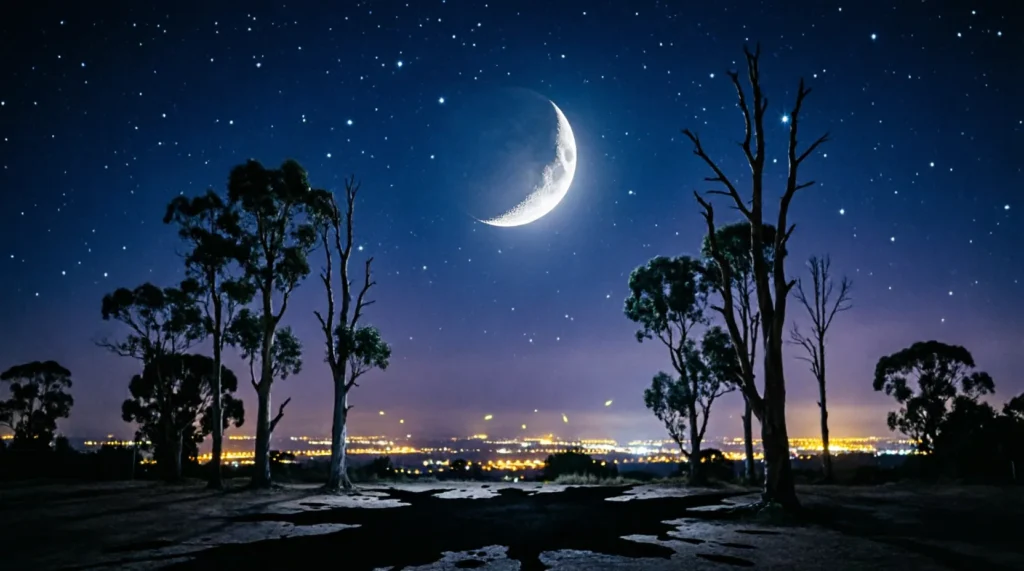
When darkness falls, finding the right words to capture its texture, weight, and mood can transform ordinary description into something unforgettable. The similes below give you ready-to-use comparisons for every kind of night—from the peaceful and starlit to the oppressive and terrifying—each demonstrated in a real sentence so you can see# Similes for a Dark Night: Evocative Comparisons to Illuminate Your Writing
Similes transform the abstract weight of darkness into tangible, sensory experiences that readers can feel in their bones. When you describe a night as “black as pitch,” you are not just stating a fact; you are invoking a specific texture and density that shapes the mood of your scene. The examples below are categorized by emotional tone and intensity, allowing you to select the precise shade of darkness your narrative requires. Use these comparisons to anchor your descriptions in physical reality, ensuring your prose resonates with clarity and impact.
What is a simile?
A simile is a figure of speech that directly compares two different things using the words “like” or “as.” According to Wikipedia, this rhetorical device highlights similarities between disparate elements to create vivid imagery or clarify complex ideas. Unlike a metaphor, which asserts that one thing is another (e.g., “the night was a blanket”), a simile maintains the distinction between the two entities while drawing a parallel. This subtle difference allows similes to feel more observational and less declarative, often making them ideal for descriptive passages where you want to guide the reader’s imagination without forcing a single interpretation.
Oppressive and Heavy Darkness
These similes convey a sense of weight, suffocation, or inescapable pressure. They are best used in thriller, horror, or dramatic contexts where the environment feels hostile or overwhelming.
- “as heavy as a wet wool blanket” — “The silence settled over the house, as heavy as a wet wool blanket.” (suffocating, damp)
- Craft note: This works because it combines tactile weight with the unpleasant sensation of dampness, triggering a visceral discomfort in the reader.
- “like a lid clamped on a jar” — “The storm clouds gathered like a lid clamped on a jar, sealing us in.” (trapped, airless)
- “as thick as tar” — “The shadows poured from the alleyway, as thick as tar.” (viscous, slow-moving)
- Craft note: I often advise students to avoid “thick as mud” here; tar implies a stickiness and industrial harshness that mud lacks, fitting urban noir better.
- “like a stone dropped in deep water” — “The light vanished like a stone dropped in deep water, swallowed whole.” (final, sinking)
- “as suffocating as a closed coffin” — “The basement air was as suffocating as a closed coffin.” (claustrophobic, fatalistic)
- “like a vice tightening around the chest” — “The darkness felt like a vice tightening around the chest.” (anxious, constricting)
- “as impenetrable as a fortress wall” — “The night stood before us, as impenetrable as a fortress wall.” (defensive, unyielding)
- “like a shroud wrapped tight” — “The fog rolled in like a shroud wrapped tight around the city.” (funereal, restrictive)
Velvety and Peaceful Darkness
Not all dark nights are threatening. These comparisons evoke comfort, mystery, or serene beauty, suitable for romance, introspection, or calm nighttime scenes.
- “as soft as velvet” — “The night unfolded around us, as soft as velvet.” (luxurious, gentle)
- Craft note: This is a classic for a reason. The association of velvet with luxury and touch makes the darkness feel inviting rather than scary.
- “like a warm bath” — “Stepping into the evening felt like a warm bath after a long day.” (relaxing, enveloping)
- “as quiet as a held breath” — “The forest was as quiet as a held breath.” (anticipatory, still)
- “like a comfortable old coat” — “The darkness settled on his shoulders like a comfortable old coat.” (familiar, protective)
- “as smooth as polished obsidian” — “The sky above was as smooth as polished obsidian.” (slick, reflective, cold but beautiful)
- “like a lullaby hummed low” — “The night approached like a lullaby hummed low.” (soothing, rhythmic)
- “as gentle as a falling leaf” — “The twilight faded as gentle as a falling leaf.” (natural, unhurried)
- “like a curtain drawn for sleep” — “The stars appeared like a curtain drawn for sleep.” (restful, private)
Chaotic and Turbulent Darkness
Use these when the night is active, stormy, or filled with movement. These similes suggest that the darkness is not merely an absence of light, but a presence with its own energy.
- “like ink spilled in water” — “The clouds spread across the moon like ink spilled in water.” (swirling, spreading)
- Craft note: This visual is dynamic. It captures the way darkness expands unpredictably, unlike static comparisons.
- “as wild as a untamed horse” — “The wind howled through the dark, as wild as an untamed horse.” (uncontrolled, powerful)
- “like a swarm of bees” — “The shadows flickered like a swarm of bees.” (buzzing, agitated)
- “as chaotic as a shattered mirror” — “The reflections in the puddles were as chaotic as a shattered mirror.” (fragmented, disorienting)
- “like a drumbeat in the dark” — “The thunder rolled like a drumbeat in the dark.” (rhythmic, ominous)
- “as restless as a caged animal” — “The night air was as restless as a caged animal.” (pacing, energetic)
- “like smoke from a dying fire” — “The mist curled like smoke from a dying fire.” (ephemeral, drifting)
- “as jagged as broken glass” — “The lightning split the sky, as jagged as broken glass.” (sharp, dangerous)
Mysterious and Unknown Darkness
These similes emphasize the lack of knowledge or the hidden nature of the night. They are perfect for mystery novels, fantasy settings, or moments of uncertainty.
- “as deep as a well” — “The darkness was as deep as a well, with no bottom in sight.” (bottomless, echoing)
- “like a locked door” — “The night stood before him like a locked door.” (forbidden, secretive)
- “as elusive as a whisper” — “The shape in the corner was as elusive as a whisper.” (hard to catch, faint)
- “like a puzzle with missing pieces” — “The landscape looked like a puzzle with missing pieces.” (incomplete, confusing)
- “as distant as a forgotten memory” — “The stars seemed as distant as a forgotten memory.” (remote, hazy)
- “like a riddle without an answer” — “The path ahead was like a riddle without an answer.” (confounding, obscure)
- “as shadowy as a half-remembered dream” — “The figures moved as shadowy as a half-remembered dream.” (vague, surreal)
- “like a map with no landmarks” — “Navigating the night felt like a map with no landmarks.” (directionless, lost)
How to write your own night simile
Creating original similes requires moving beyond the first idea that comes to mind. The version my students always reach for first is “dark as night,” which is circular and useless. Instead, follow these three steps to craft comparisons that resonate.
First, identify the specific quality of the darkness you want to highlight. Is it heavy? Fast? Cold? Silent? Pinpointing the attribute prevents vague descriptions. For example, if the darkness feels cold, do not compare it to a blanket; compare it to ice or winter air.
Second, brainstorm objects or experiences that share that quality but belong to a different category. If you chose “cold,” think of metal, snow, or graveyards. Avoid clichés by asking yourself if you have heard the comparison before. If you have, discard it and dig deeper.
Third, test the simile in a sentence to check its rhythm and clarity. A good simile should enhance the sentence, not clutter it. For instance, compare “The night was dark” with “The night was as cold as a surgeon’s scalpel.” The latter immediately establishes a tone of clinical detachment and danger.
Worked Example:
- Attribute: The darkness is sudden and complete.
- Brainstorming: A switch flipping, a blink, a curtain dropping, a light bulb bursting.
- Selection: “Like a curtain dropping.”
- Refinement: “The power failed, and the room went dark like a curtain dropping on a final act.” This adds theatrical finality to the event.
Frequently Asked Questions
What is the difference between a simile and a metaphor for darkness? A simile uses “like” or “as” to compare the night to something else (e.g., “dark as coal”), maintaining a distance between the two ideas. A metaphor states that the night is the object (e.g., “the night was a coal mine”), creating a stronger, more direct identification. Similes are often safer for descriptive clarity, while metaphors can be more poetic but risk confusion if overused.
Why should I avoid clichés like “dark as pitch”? Clichés like “dark as pitch” or “black as night” have lost their impact through overuse. Readers glide over them without forming a mental image because they are too familiar. Using fresh comparisons, such as “dark as a closed eye” or “black as a burnt-out screen,” forces the reader to pause and visualize, making your writing more memorable and engaging.
Can similes for darkness be positive? Absolutely. Darkness is not inherently negative. In many contexts, it represents rest, intimacy, or peace. Similes like “soft as velvet” or “quiet as a library” frame the night as a comforting presence. Choosing positive comparisons can shift the tone of a scene from fearful to serene, depending on your character’s perspective.
How many similes should I use in a single paragraph? Use similes sparingly. One strong simile per paragraph is usually sufficient to anchor the imagery. Overloading a paragraph with multiple comparisons can overwhelm the reader and dilute the impact of each individual image. Focus on quality over quantity, ensuring each simile serves a specific purpose in setting the mood or clarifying the scene. According to Wikipedia, the perception of night varies culturally and individually, so your similes should reflect the specific emotional context of your narrative rather than relying on universal assumptions.

Brian Walker is an esteemed linguist with a Ph.D. in Language and Literature from Stanford University. Over the past 20 years, Brian has dedicated his research to understanding the impact of figurative language on communication and literature. His extensive body of work includes scholarly articles that have been published in numerous academic journals. Brian’s fascination with similes emerged during his doctoral studies, where he examined their role in enhancing rhetorical persuasion and emotional resonance. As a contributor to VividSimiles, he writes detailed analyses on the historical evolution of similes and their varied applications across different cultures and languages. Brian’s articles are known for their depth and clarity, bridging the gap between academic research and practical application. He is committed to enlightening readers about the intricacies of language and the beauty of well-crafted similes.