

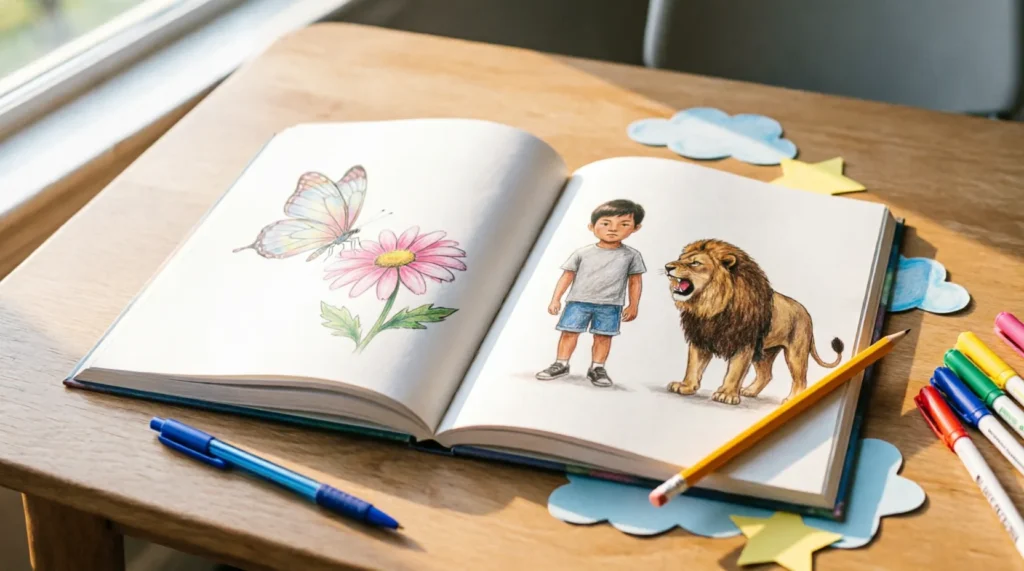
Finding the right similes for grade 5 pdf resources can feel like searching for a needle in a haystack, but the goal is simple: we want students to move beyond “as fast as a cheetah” and start crafting comparisons that truly resonate. This guide provides a curated collection of vivid, age-appropriate similes designed specifically for upper elementary writers, organized by theme to help young authors find the perfect fit for their stories. Use these examples as springboards for your own creative writing exercises, ensuring every comparison adds depth rather than just filling space.
What Is a Simile?
Before we dive into the lists, it is helpful to clarify exactly what we are looking for. A simile is a figure of speech that directly compares two different things using the words “like” or “as.” According to Wikipedia, this distinction is crucial because it separates similes from metaphors, which assert that one thing is another. For fifth graders, this is often the first major hurdle in understanding figurative language.
Think of a simile as a bridge. It connects something familiar (a lion) with something abstract or descriptive (bravery). When a student writes, “He was brave,” it is a statement of fact. When they write, “He stood his ground like an old oak tree in a storm,” they are creating an image. The reader can see the strength, the rootedness, and the resistance to pressure. This visual component is what makes similes so powerful in narrative writing.
In my classroom, I tell students that a good simile should surprise them slightly. If the comparison is too obvious, it becomes invisible. We want comparisons that make the reader pause and say, “I never thought of it that way, but it fits perfectly.”
Similes for Describing Emotions
Fifth-grade narratives often revolve around interpersonal conflicts, friendships, and internal struggles. Helping students describe feelings without simply naming them is a key skill. Here are similes that capture the nuance of common emotions experienced by pre-teens.
- “Her anger bubbled up like soda shaken in a bottle.” — (volatile, ready to explode). This works well because it captures the physical sensation of holding back emotion until it becomes impossible.
- “His guilt sat in his stomach like a heavy stone.” — (oppressive, lingering). I prefer this over “heavy heart” because it locates the feeling in the gut, where anxiety often lives for kids.
- “Excitement spread through her like wildfire.” — (fast, uncontrollable). Note the rhythm here; the single syllable of “wildfire” gives the sentence a quick, sharp ending that mimics the speed of the emotion.
- “Sadness wrapped around him like a wet blanket.” — (uncomfortable, suffocating). This is a strong sensory simile because it invokes touch and temperature, not just sight.
- “Nervousness fluttered in her chest like a trapped bird.” — (panicked, erratic). Avoid “butterflies” if you want to sound fresh; “trapped bird” suggests a desire to escape the situation.
- “Joy lifted her spirits like a helium balloon.” — (light, upward-moving). This is a classic for a reason, but it remains effective for describing sudden happiness.
- “Confusion clouded his mind like fog on a mountain road.” — (obscuring, dangerous). This helps students describe mental states using weather imagery, which is often more relatable than abstract concepts.
- “Embarrassment burned his cheeks like a sunburn.” — (hot, painful, visible). This is particularly useful for scenes involving public speaking or social mishaps.
When teaching these, I emphasize that the verb matters as much as the noun. “Bubbled,” “sat,” “spread,” and “wrapped” all do heavy lifting. A static simile (“was like”) is often weaker than an active one (“acted like”).
Similes for Nature and Weather
Nature descriptions are staples of fifth-grade creative writing assignments. Whether describing a setting for a fantasy story or a realistic fiction piece about a summer vacation, these similes help ground the reader in the environment.
- “The wind howled like a lonely wolf.” — (eerie, mournful). This is a bit cliché, so I encourage students to tweak it: “The wind whined like a dog left outside.” It feels more immediate and less literary.
- “Rain fell like needles of ice.” — (sharp, painful). This is excellent for winter scenes. It conveys the physical sting of cold rain, which is more engaging than just saying it was cold.
- “The sun beat down like a hammer.” — (relentless, heavy). This personifies the sun as an aggressor, which is great for stories about survival or hard labor.
- “Clouds drifted like cotton candy.” — (soft, sweet, slow). Use this for peaceful scenes. The association with sugar adds a layer of comfort to the visual.
- “Thunder rumbled like a giant rolling boulders.” — (deep, vibrating). This focuses on the sound and the physical vibration, which helps readers “hear” the storm.
- “The river flowed like melted glass.” — (smooth, reflective). This is a more poetic option for calm water scenes. It suggests clarity and stillness.
- “Leaves crunched underfoot like dry cereal.” — (brittle, loud). This is a specific auditory simile that many students find fun to write because it connects to a daily experience.
- “Snow covered the ground like a white sheet.” — (clean, uniform). While simple, it effectively conveys the idea of a fresh start or concealment.
I often remind students that nature similes should match the mood of the scene. A “cotton candy” cloud does not belong in a horror story, just as a “hammer” sun does not fit a romantic picnic. Context is king.
Similes for Action and Movement
Action scenes can easily become chaotic if not described clearly. Similes help anchor the reader by comparing complex movements to familiar physical actions. These are particularly useful for sports stories or adventure narratives.
- “He ran like the wind had stolen his feet.” — (effortless, fast). This is a twist on the standard “ran like the wind.” By suggesting the wind is pulling him, it adds a sense of urgency.
- “She moved through the crowd like a fish in water.” — (natural, fluid). This implies competence and ease, perfect for a character who is confident in social situations.
- “The ball flew like a comet across the sky.” — (bright, fast, trailing). This adds visual flair to a sports moment, making the object seem larger than life.
- “He froze like a statue in a museum.” — (rigid, silent). This is better than “froze like a deer” because it removes the animal instinct and replaces it with human stillness, which can be creepier or more dramatic.
- “They danced like leaves in a gust.” — (chaotic, uncontrolled). Use this for scenes where characters are overwhelmed or moving without purpose.
- “She climbed like a spider up the wall.” — (agile, precise). This highlights dexterity and perhaps a bit of eeriness, depending on the context.
- “The car skidded like a puck on ice.” — (slippery, uncontrollable). This is a great simile for winter driving scenes or accidents, emphasizing the lack of friction.
- “He swung the bat like a pendulum.” — (rhythmic, predictable). This suggests a mechanical, practiced motion, which can imply boredom or intense focus.
In my workshops, I ask students to act out the movement first. If they can’t feel the motion in their own bodies, the simile will likely feel flat on the page. Physical empathy leads to better writing.
Similes for Objects and Settings
Describing everyday objects can be challenging because they are so familiar. The trick is to find a comparison that reveals a hidden quality of the object, such as its age, texture, or function.
- “The old house groaned like a tired giant.” — (creaky, massive). This gives the setting a personality, making the house feel like a character itself.
- “Her voice was as smooth as velvet.” — (soft, luxurious). This is a tactile simile applied to sound, which creates a rich sensory experience for the reader.
- “The book smelled like vanilla and dust.” — (nostalgic, old). This is a specific olfactory simile that evokes the feeling of libraries and attics. It is far more effective than just saying “it smelled old.”
- “The city lights twinkled like scattered diamonds.” — (bright, valuable, distant). This works well for nighttime urban settings, adding a sense of wonder to the concrete jungle.
- “The floorboards creaked like complaining teeth.” — (annoying, persistent). This is a humorous, slightly grotesque simile that adds character to a mundane sound.
- “The metal gate rattled like a cage of bones.” — (harsh, scary). Use this for suspenseful scenes. The association with bones immediately raises the stakes.
- “The coffee tasted like burnt rubber.” — (bitter, unpleasant). This is a strong negative simile for describing bad food or drink, which is a common trope in school stories.
- “The blanket felt like a cloud.” — (soft, light). Simple, but effective for cozy scenes. It conveys comfort without needing adjectives like “soft” or “fluffy.”
According to educational standards outlined in resources regarding Grade levels, fifth graders are expected to interpret and produce figurative language that enhances meaning. Using specific sensory details like smell and touch, as seen in the vanilla and velvet examples, meets this standard by moving beyond visual-only descriptions.
How to Write Your Own Simile
Creating original similes is a skill that improves with practice. Here is a simple three-step process I use with my students to help them generate their own comparisons.
First, identify the core quality you want to highlight. Is the character angry? Is the room quiet? Is the food spicy? Pinpoint the single most important attribute. For example, let’s say we want to describe a “quiet room.”
Second, brainstorm objects or animals that share that quality. What else is quiet? A library? A mouse? A held breath? A stopped clock? List as many as you can think of, even the silly ones.
Third, choose the best match and refine the language. “The room was quiet like a library” is okay, but it is boring. “The room was quiet like a held breath” is better because it implies tension and anticipation. The silence feels temporary and fragile.
Let’s try another example. Subject: A messy bedroom. Core quality: Chaotic, piled up. Brainstorm: A tornado, a junkyard, a exploded suitcase. Refinement: “His bedroom looked like a suitcase had exploded in slow motion.” This adds a dynamic element to the static mess, suggesting the chaos happened recently and violently.
Practice this with everyday objects. Describe your pencil case, your lunch, or your walk to school. The more you practice, the more natural it becomes to see connections between unrelated things.
Frequently Asked Questions
What is the difference between a simile and a metaphor? A simile uses “like” or “as” to compare two things, while a metaphor states that one thing is another. For example, “He is like a lion” is a simile; “He is a lion” is a metaphor. Similes are often easier for fifth graders to grasp initially because the comparison is explicit.
How many similes should I use in a story? Less is more. One or two strong similes per page are usually enough. Overusing them can make writing feel cluttered and forced. Choose the moments that matter most—key emotional beats or major action sequences—to place your best comparisons.
Can similes be funny? Absolutely. Humorous similes often rely on unexpected or exaggerated comparisons. For example, “He ran like a chicken with its head cut off” is a classic funny simile. Encourage students to play with absurdity to add humor to their narratives.
Why do some similes feel cliché? Clichés are comparisons that have been used so often they lose their impact, such as “busy as a bee” or “cold as ice.” They feel lazy because the reader has heard them before. To avoid clichés, encourage students to look for personal, specific comparisons drawn from their own lives and observations.

Jennifer Martinez is a creative writer and educator with a deep love for similes and figurative language. With a degree in Creative Writing from New York University and over a decade of teaching experience in high schools, Jennifer has a unique ability to explain complex concepts in simple terms. Her journey into the world of figurative language began with her own writing, where she noticed how similes and metaphors could transform the mundane into the extraordinary. At VividSimiles, Jennifer shares her expertise by writing thought-provoking essays and guides on how similes enhance storytelling. Her content often focuses on helping writers of all levels hone their style by incorporating figurative language effectively. In her spare time, Jennifer enjoys reading poetry and experimenting with new forms of expression in her own work.