

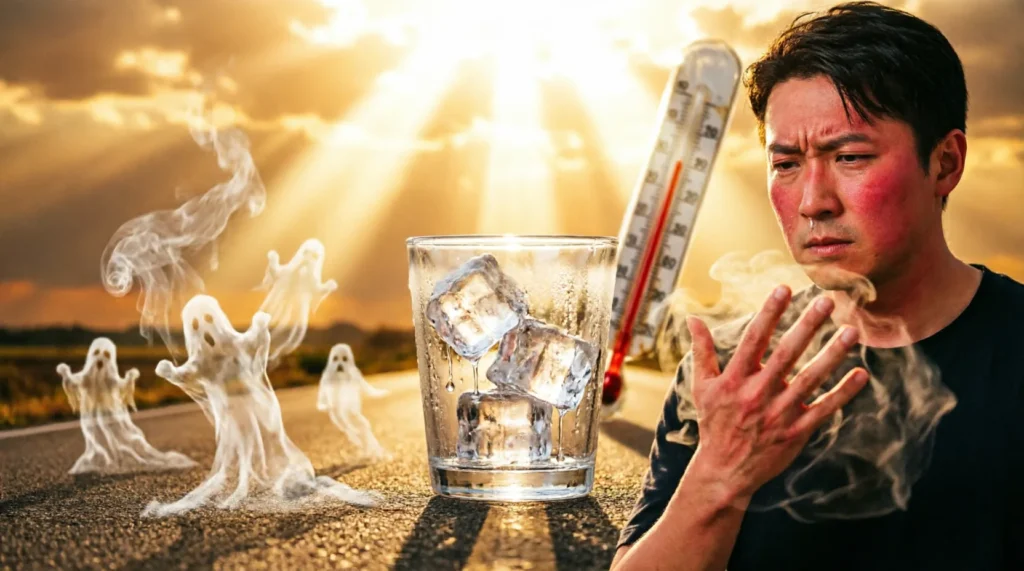
When the mercury climbs and the air turns thick, standard adjectives like “hot” or “warm” often fail to capture the visceral reality of the experience. Similes for a hot day allow writers to translate physical discomfort into sensory imagery that readers can feel in their bones. The examples below are categorized by intensity and mood, offering you ready-to-use comparisons for everything from a pleasant summer afternoon to a oppressive heatwave. Use these to anchor your descriptions in specific, relatable sensations rather than abstract temperature readings.
What Is a Simile?
A simile is a figure of speech that directly compares two different things using the words “like” or “as.” According to Wikipedia, this literary device highlights similarities between distinct entities to create vivid imagery or clarify meaning. Unlike a metaphor, which states that one thing is another (e.g., “the sun was a furnace”), a simile maintains the distinction between the two elements while drawing a parallel. This subtle distance often makes similes feel more observational and less absolute, allowing for nuance in descriptive writing.
The Oppressive Weight: Heavy and Stifling Heat
These similes focus on the physical pressure of humidity and high temperatures. They are best used when the heat feels inescapable, heavy, or suffocating. In my experience teaching descriptive writing, students often struggle to convey the weight of heat; these comparisons help ground that abstract feeling in tangible objects.
- “like wearing a wool coat in July” — “Stepping outside felt like wearing a wool coat in July.” (claustrophobic, uncomfortable)
- Craft Note: This works because it invokes a specific, universally understood mistake in dressing. It immediately signals that the environment is hostile to the body’s natural regulation.
- “as thick as soup” — “The air was as thick as soup, clinging to my skin with every step.” (humid, viscous)
- Craft Note: Avoid this if you want precision; it’s a common cliché. However, it remains effective for quick, casual communication where the goal is immediate recognition rather than poetic novelty.
- “like breathing through a wet towel” — “Every breath felt like breathing through a wet towel.” (suffocating, laborious)
- Craft Note: This is one of the strongest similes for high humidity. It engages the respiratory sense, making the reader physically mimic the difficulty of inhaling.
- “as heavy as a lead blanket” — “The heat lay over the city as heavy as a lead blanket.” (oppressive, immobile)
- “like being wrapped in plastic film” — “The humidity held me like being wrapped in plastic film.” (trapped, sweaty)
- “as stagnant as a forgotten pond” — “The afternoon air was as stagnant as a forgotten pond.” (still, unmoving)
- “like wading through molasses” — “Walking to the car was like wading through molasses.” (slow, resistant)
- Craft Note: This captures the kinetic resistance of heat. It’s not just that it’s hot; it’s that movement itself becomes difficult. Use this when describing physical exertion in high temperatures.
- “as close as a crowded elevator” — “The atmosphere was as close as a crowded elevator.” (intimate, suffocating)
The Aggressive Burn: Sharp and Painful Heat
Use these similes when the sun is an active antagonist. These comparisons work well for midday scenes where shadows are short and the light is harsh. They convey pain, sharpness, and the immediate danger of exposure.
- “like an open oven door” — “Opening the car door hit me like an open oven door.” (shocking, intense)
- Craft Note: This is a staple for a reason. It connects the outdoor experience to a domestic appliance everyone knows can cause burns. It’s instant and visceral.
- “as sharp as a knife” — “The sunlight cut across the pavement as sharp as a knife.” (piercing, bright)
- “like standing under a heat lamp” — “Waiting for the bus felt like standing under a heat lamp.” (artificial, focused)
- Craft Note: This simile strips away the natural beauty of the sun and reduces it to a utilitarian, industrial source of discomfort. It’s excellent for urban settings.
- “as fierce as a dragon’s breath” — “The wind blew from the desert as fierce as a dragon’s breath.” (mythical, dangerous)
- “like walking on coals” — “The asphalt was hot like walking on coals.” (painful, urgent)
- “as relentless as a hammer” — “The sun beat down as relentless as a hammer.” (pounding, persistent)
- “like a spotlight in a interrogation room” — “There was no shade, just light like a spotlight in an interrogation room.” (exposed, harsh)
- Craft Note: This shifts the tone from physical pain to psychological exposure. It suggests that the heat is not just weather, but a form of scrutiny or punishment.
- “as biting as a winter wind” — “The dry heat was as biting as a winter wind.” (paradoxical, sharp)
The Exhausting Drain: Fatigue and Lethargy
Heat doesn’t always burn; sometimes it simply drains. These similes describe the mental and physical slump that accompanies prolonged exposure to high temperatures. They are ideal for scenes involving waiting, boredom, or the slow passage of time.
- “like a battery left in the sun” — “My energy faded like a battery left in the sun.” (drained, depleted)
- “as slow as drying paint” — “Time moved as slow as drying paint.” (tedious, sluggish)
- Craft Note: This is a superior alternative to “slow as molasses.” It evokes the visual of something hardening and sticking, mirroring the mental stagnation of a hot afternoon.
- “like a wilted flower” — “She sat on the porch like a wilted flower.” (drooping, lifeless)
- “as heavy as wet sand” — “My limbs felt as heavy as wet sand.” (burdened, difficult)
- “like a phone at 1% charge” — “I was running on fumes, like a phone at 1% charge.” (critical, urgent)
- Craft Note: Modern similes resonate because they tap into contemporary anxieties. This comparison instantly communicates the fear of shutting down completely.
- “as dull as a rusty blade” — “My thoughts were as dull as a rusty blade.” (unclear, ineffective)
- “like a deflated balloon” — “After the game, we collapsed like deflated balloons.” (empty, flat)
- “as listless as a cat in noon sun” — “The street was as listless as a cat in noon sun.” (lazy, inactive)
The Shimmering Illusion: Visual and Atmospheric Heat
These similes focus on how heat distorts vision and alters the environment. They are perfect for establishing setting and mood, particularly in landscape descriptions or travel writing. They capture the dreamlike, unstable quality of extreme heat.
- “like a mirage on the highway” — “The horizon shimmered like a mirage on the highway.” (illusory, distant)
- “as hazy as a old photograph” — “The view was as hazy as a old photograph.” (faded, unclear)
- “like looking through steam” — “The air warped the trees like looking through steam.” (distorted, fluid)
- Craft Note: This emphasizes the fluidity of hot air. It suggests that the world is not solid, but melting and shifting before the observer’s eyes.
- “as bright as a overexposed film” — “The sky was as bright as a overexposed film.” (blinding, washed out)
- “like a watercolor left in the rain” — “The colors of the garden bled together like a watercolor left in the rain.” (blurred, soft)
- “as trembling as a heat wave” — “The air above the road was as trembling as a heat wave.” (unstable, vibrating)
- “like a ghost in the fog” — “Shapes moved in the distance like ghosts in the fog.” (ethereal, indistinct)
- “as wavering as a candle flame” — “The outlines of the buildings were as wavering as a candle flame.” (unsteady, fragile)
How to Write Your Own Hot Day Simile
Creating original similes requires moving beyond the first idea that comes to mind. The version my students always reach for first is usually “hot as hell” or “hot as the sun,” which are technically similes but lack descriptive power. To write better comparisons, follow this simple three-step process.
First, identify the specific sensation of the heat. Is it dry? Humid? Sharp? Heavy? Don’t just think “hot”; think “sticky” or “burning.” Second, brainstorm objects or experiences that share that specific quality. If the heat is sticky, think of glue, tape, or honey. If it is sharp, think of needles, glass, or ice. Third, test the comparison for clarity. Does the reader immediately understand the link?
Worked Example:
- Sensation: The heat makes my skin feel tight and dry.
- Brainstorm: Parchment paper, dried mud, cracked leather.
- Draft: “My skin felt like parchment paper.”
- Refinement: “My skin tightened like old parchment paper left in the sun.” (This adds context and reinforces the cause.)
Frequently Asked Questions
What is the difference between a simile and a metaphor for heat? A simile uses “like” or “as” to compare the heat to something else (e.g., “the air was like a furnace”), while a metaphor states that the heat is that thing (e.g., “the air was a furnace”). Similes are often safer for clear description, while metaphors can be more poetic but potentially confusing if overused.
Are clichés like “hot as hell” acceptable in writing? While “hot as hell” is widely understood, it is considered a dead metaphor or cliché because it has lost its imaginative impact. In creative writing, it is better to use fresh comparisons that evoke specific sensory details. However, in dialogue, characters might use clichés to reflect their personality or lack of creativity.
How can I describe cold heat, such as dry desert heat? Dry heat often feels sharp or clean rather than heavy. You might use similes like “as crisp as a cracker” or “like a blow dryer set to high.” According to Wikipedia, the perception of heat is influenced by humidity, so distinguishing between dry and humid heat is crucial for accurate description.
Can similes for heat be positive? Yes. Not all heat is unpleasant. Warmth can be comforting, like “a hug from an old friend” or “as cozy as a fresh loaf of bread.” The tone of the simile depends entirely on the context and the character’s relationship with the weather.

Brian Walker is an esteemed linguist with a Ph.D. in Language and Literature from Stanford University. Over the past 20 years, Brian has dedicated his research to understanding the impact of figurative language on communication and literature. His extensive body of work includes scholarly articles that have been published in numerous academic journals. Brian’s fascination with similes emerged during his doctoral studies, where he examined their role in enhancing rhetorical persuasion and emotional resonance. As a contributor to VividSimiles, he writes detailed analyses on the historical evolution of similes and their varied applications across different cultures and languages. Brian’s articles are known for their depth and clarity, bridging the gap between academic research and practical application. He is committed to enlightening readers about the intricacies of language and the beauty of well-crafted similes.